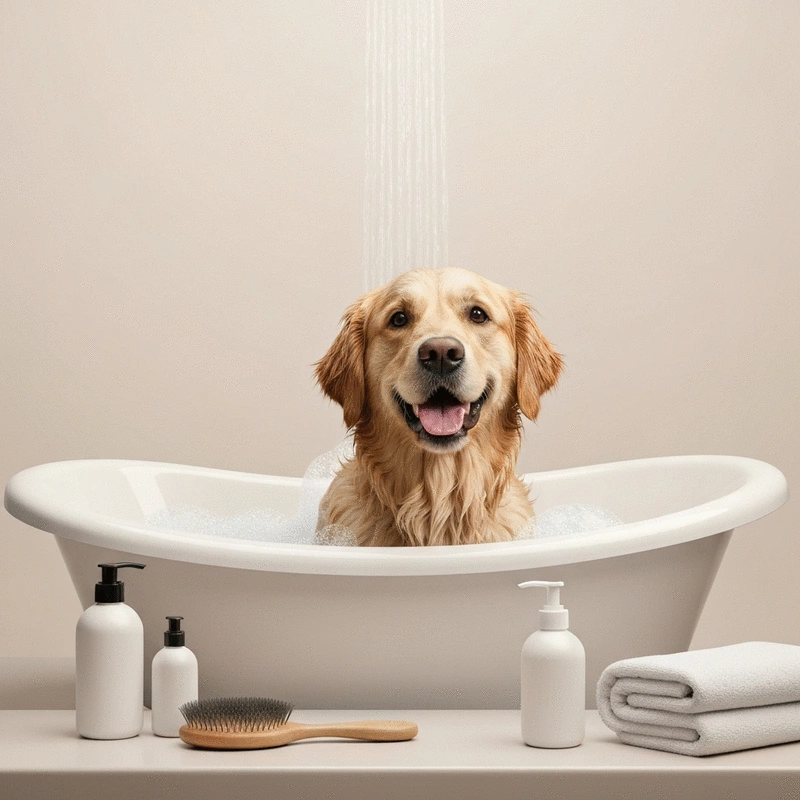
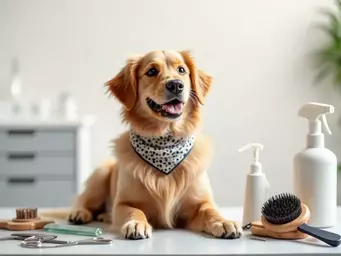
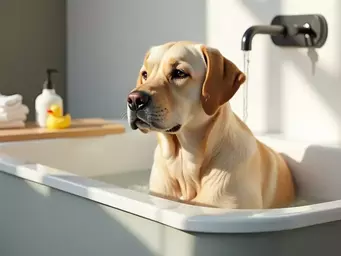
Have you ever noticed that your dog seems to carry a distinct odor that lingers even after a bath? Understanding the reasons behind this common issue can help you manage it effectively. In this guide, we’ll explore the various causes of dog odors and how to keep your furry friend smelling fresh.
What You Will Learn
The primary causes of wet dog smell, including bacteria, yeast, and natural oils.
How breed-specific characteristics can influence your dog’s odor and bathing needs.
The importance of proper grooming and bathing routines in controlling dog odors.
Effective techniques for choosing pet shampoos and deodorizing sprays to enhance odor control.
Preparation steps that make bath time a positive experience for both you and your dog.
Dog Odor Causes & Prevention Methods
Understanding the primary factors contributing to unpleasant dog odors and the effective strategies to combat them.
Common Causes of Dog Odors
Wet Dog Smell Sources
Bacteria buildup in damp conditions
Yeast overgrowth (skin/allergies)
Sebum oils accumulation
Other Odor Indicators
Skin allergies & inflammation
Poor hygiene (infrequent bathing)
Dietary issues affecting skin health
Bathing Practices for Odor Control
Lukewarm Water: Comfort and effective cleaning.
Dog-Specific Shampoo: pH-balanced for skin health.
Regular Frequency: Prevents dirt/oil buildup.
Thorough Rinsing: Avoids skin irritation from residue.
Essential for Hygiene
Effective Bathing Techniques
Brush First: Remove loose hair & mats.
Rinse Coat Completely: Loosens dirt.
Apply Shampoo: Work to skin, then rinse thoroughly.
Dry Well: Blot excess, use low-heat dryer for long fur.
Step-by-Step Process
Product Selection & Breed-Specific Care
Product Tips
Dog-specific shampoos only
Deodorizing options (baking soda, lavender)
Sprays for in-between baths
Breed Adaptations
Brachycephalic: Gentle face care
High-oil: Degreasing shampoos
Long-haired: Conditioning rinse
Understanding Dog Odors: Common Causes and Concerns
As a dog owner, you might have noticed that our furry friends can sometimes carry a unique odor. This wet dog smell often raises concerns, but understanding its causes is the first step in addressing it. Many factors contribute to this distinct scent, including bacteria, yeast, and the natural oils produced by your dog's skin. Each breed may exhibit variations in smell due to their coat types and skin conditions, making it crucial for us to recognize these differences.
For instance, breeds with thick or long fur, like Golden Retrievers, may trap moisture and odors more than short-haired breeds. On the other hand, dogs like Bulldogs might have distinct odors due to their skin folds. So, let's explore the sources of these odors to better understand how to keep our dogs smelling fresh! For more detailed advice on maintaining your dog's freshness, check out our guide on home dog bathing routine tips.
Identifying the Source of Wet Dog Smell
The wet dog smell primarily arises from bacteria and yeast that thrive in a moist environment. When your dog gets wet, these microorganisms can multiply rapidly, creating that unmistakable odor. Additionally, sebum oils produced by your dog's skin can build up over time, especially if your pup isn’t bathed regularly.
Bacteria: Naturally occurring on your dog's skin but can multiply in damp conditions.
Yeast: Particularly found in breeds prone to skin infections or allergies.
Sebum: The natural oils that can accumulate and contribute to odor without regular grooming.
Being aware of these sources is essential for me as a dog care advocate. It empowers us to take proactive measures in maintaining our dogs' hygiene and health!
Common Dog Odor Causes and Their Impact on Dog Hygiene
Beyond the wet dog smell, there are several other causes of odor that can signal underlying issues. For instance, skin allergies can lead to inflammation and discomfort, which may cause your dog to develop a stronger odor. Poor hygiene—like infrequent bathing or grooming—can exacerbate these odors, making it crucial for us to establish a consistent grooming routine.
Skin Allergies: Can lead to itching and inflammation, creating odors.
Poor Hygiene: Infrequent baths can result in buildup of dirt and oils.
Dietary Issues: Poor nutrition can affect skin health and odor.
Addressing these concerns not only helps in odor control but also enhances our pets' overall health. Remember, watching for changes in your dog's scent can alert us to potential health issues! If you're dealing with skin issues, our article on home remedies for dog skin issues offers valuable insights.
How Bathing Practices Impact Odor Control
One of the most effective ways to manage dog odors is through proper bathing techniques. The combination of water temperature, shampoo choice, and bathing frequency plays a crucial role. A comfortable warm bath can help loosen dirt and oils while also being soothing for your pup.
Water Temperature: Lukewarm water is ideal for keeping your dog comfortable.
Shampoo Selection: Choose a dog-specific shampoo that suits your pet’s skin type.
Frequency: Regular baths can help prevent the buildup of dirt and odors.
When we bathe our dogs correctly, we're not just washing away smells; we're promoting their skin health and overall well-being. At Canine Wash Wisdom, I always recommend finding a bathing routine that works for both you and your dog!
Interactive Poll: Share Your Thoughts!
What strategies do you find most effective in managing your dog's odors? Let us know your favorite tips or techniques!
FAQs About Dog Odors and Bathing
Q: What are the main causes of wet dog smell?
A: The wet dog smell primarily comes from bacteria and yeast that thrive in moist environments on your dog's skin, along with natural sebum oils that accumulate.
Q: Can my dog's breed affect its odor?
A: Yes, breed-specific characteristics like coat type (e.g., thick or long fur) and skin conditions (e.g., skin folds in Bulldogs) can significantly influence your dog's odor and bathing needs.
Q: How often should I bathe my dog to control odors?
A: The frequency depends on your dog's breed, activity level, and skin condition. Regular baths are crucial to prevent the buildup of dirt, oils, bacteria, and yeast. Consult your vet for a personalized recommendation.
Q: What kind of shampoo should I use for my dog?
A: Always use dog-specific shampoos that are pH-balanced for their skin. For odor control, consider options with natural deodorizing ingredients like baking soda or lavender. Avoid human shampoos, which can irritate their skin.
Q: What are some effective bathing techniques?
A: Key techniques include brushing your dog before bathing to remove loose hair and mats, using lukewarm water, thoroughly rinsing out all shampoo, and drying your dog completely to prevent moisture-related odor issues.
Effective Bathing Techniques to Prevent Dog Odors
When it comes to keeping your dog smelling fresh, effective bathing techniques are crucial. I’ve found that by following a few simple steps, we can significantly reduce those pesky dog odors! Proper preparation, the right products, and thoughtful techniques make all the difference in achieving that clean, happy pup.
Preparation Steps for a Successful Dog Bath
Before diving into the bath, taking a moment to prepare can set the stage for success. Here’s what I recommend:
Brush your dog: Start by brushing their coat to remove loose hair and mats. This step helps the shampoo penetrate better and reduces tangling.
Choose the right location: Select a comfortable spot for your dog—whether it's a bathtub, outdoor space, or dog wash station. Ensure it’s safe and easy for both of you!
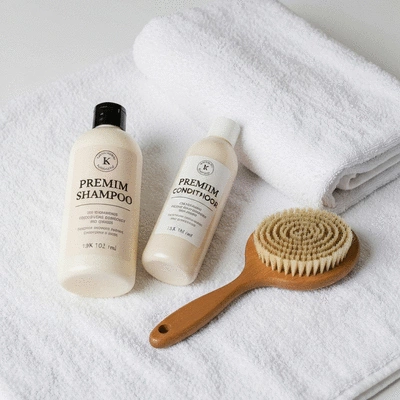
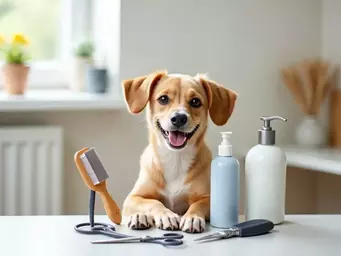
Gather necessary supplies: Have your dog-specific shampoo, towels, brushes, and a non-slip mat ready. This will keep things organized and stress-free.
With these preparations in place, bath time can become a bonding experience rather than a chore! Remember, a calm environment helps your dog feel more comfortable throughout the process.
Step-by-Step Guide to Bathing Your Dog
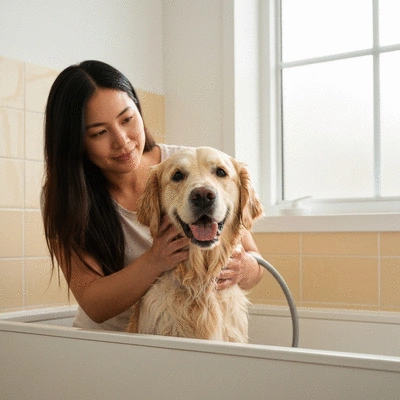
Now, let’s dive into the actual bathing process! Here’s a step-by-step guide to ensure your pup enjoys their bath:
Rinse thoroughly: Begin with warm water and wet your dog’s coat completely. This helps in loosening dirt and oils.
Apply shampoo: Use a vet-recommended dog shampoo that’s suitable for your dog's coat type. Work it in well, making sure to reach the skin.
Rinse again: Make sure to rinse out all the shampoo to avoid skin irritation. Pay special attention to the areas behind the ears and underbelly.
Dry your dog: Use towels to blot off excess water. For long-haired breeds, consider using a blow-dryer on a low, cool setting to avoid overheating.
Following these steps not only helps in removing odors but also ensures your dog’s skin stays healthy and hydrated! It’s essential to treat bath time as a positive experience by praising them and offering treats throughout the process.
Specific Techniques for Different Breeds
Every breed has its unique grooming needs, and understanding these can help you tailor your bathing technique. Here are a few tips based on common breeds:
Brachycephalic breeds (like Bulldogs and Pugs): Be gentle around the face, and avoid getting water in their ears or nose.
High-oil breeds (like Retrievers): Use a degreasing shampoo to break down that oil effectively, and rinse thoroughly.
Long-haired breeds (like Shih Tzus): Consider using a conditioning rinse to help with detangling and prevent matting.
By adapting your bathing routine to fit your dog’s specific needs, you’ll not only enhance their hygiene but also improve their overall comfort and happiness! For more essential tips, check out our guide on dog bathing tips for beginners.
Using Pet Shampoo and Deodorizing Sprays Effectively
The right products can make a world of difference in odor control. Here are some tips for selecting and using pet shampoos and deodorizing sprays:
Choose dog-specific shampoos: Always opt for shampoos formulated for dogs, as human shampoos can disrupt their skin’s pH balance.
Look for deodorizing options: Consider shampoos that contain natural deodorizing ingredients like baking soda or lavender to keep your dog smelling fresh.
Use sprays wisely: After bathing, a light mist of deodorizing spray can help maintain that fresh scent between baths, especially in areas like their paws and coat.
Incorporating these products effectively enhances odor control and supports your dog's coat health. Remember, a clean dog is a happy dog!
Recap of Key Points
Here is a quick recap of the important points discussed in the article:
Understand the Sources of Odors: Recognize that odors can stem from bacteria, yeast, and natural skin oils.
Maintain Regular Hygiene: Establish a consistent grooming routine to prevent buildup of dirt and oils.
Choose the Right Bathing Techniques: Use lukewarm water, dog-specific shampoos, and bathe regularly for optimal results.
Preparation is Key: Brush your dog, choose a comfortable bathing location, and gather necessary supplies before bathing.
Tailor Techniques to Breed: Different breeds have unique grooming needs; adapt your approach accordingly for best results.
Use Quality Products: Opt for dog-specific shampoos and deodorizing sprays to support your dog's coat health.
Clara H. Thompson
Clara H. Thompson is a passionate dog care advocate with over a decade of experience in pet grooming and hygiene. With a strong background in animal care and a love for dogs of all breeds, Clara dedicates her expertise to empowering fellow dog owners with practical tips and evidence-based guidance. Her mission is to promote the health and happiness of dogs through effective bathing and grooming routines.
Canine Wash Wisdom is dedicated to empowering dog owners with essential insights and practical guidance on bathing, grooming, and maintaining their pets' coats. Our mission is to demystify dog hygiene and equip you with actionable tips for a happy, healthy, and clean canine companion.
Start your grooming session by gathering all essentials: dog-specific shampoo, brushes, and plenty of treats. Preparation makes for a stress-free bath!
Don’t underestimate the power of positive reinforcement. Reward your pup with treats and praise during and after grooming to build positive associations!
Utilize warm, not hot, water for baths. Lukewarm water is much more comfortable for your dog and helps prevent skin irritation.
Ensure your dog's ears are protected during baths. Cotton balls gently placed in the ear canals can prevent water from entering and causing infections.
Focus on thoroughly rinsing out all shampoo. Residue can lead to skin irritation and dull coats, so rinse until the water runs clear!
Leverage the right brush for your dog's coat type. A slicker brush works wonders for detangling, while a deshedding tool can reduce loose fur.
Create content with search intent in mind. Understanding what your audience is looking for can guide your strategy.
Regularly update your content. Fresh and updated posts signal to search engines that your site is active and relevant.
Use descriptive and user-friendly URLs. Clean URLs improve SEO and provide clarity for your audience.
Incorporate social sharing buttons. They make it easy for readers to share your content, increasing its visibility and reach.
Implement schema markup. Structured data helps search engines understand your content and improves rich snippet visibility.
Optimize for voice search. Use natural language and question-based keywords to align with voice query trends.
Encourage reviews on Google and other platforms. Positive reviews enhance your online reputation and local SEO.
Monitor and improve your page speed. A fast-loading site improves user satisfaction and search engine rankings.
Include a clear call-to-action in every post. This boosts engagement and guides readers to take the next step towards mastering their DIY SEO!