Breed-Specific Bathing (Avg. Weeks)
Labradors4-6 Weeks
Poodles3-4 Weeks
Beagles6-8 Weeks
Golden Retrievers6-8 Weeks
What if maintaining your dog's hygiene could enhance your bond with them? A consistent bathing routine not only keeps your furry friend clean but also promotes their overall health and comfort. Let’s explore the essential insights that will transform how you care for your canine companion.
Understanding how often to bathe your dog is key to their health. This guide outlines general recommendations based on breed types and lifestyle factors. For those new to dog bathing, a great resource to start with is our dog bathing tips for beginners.
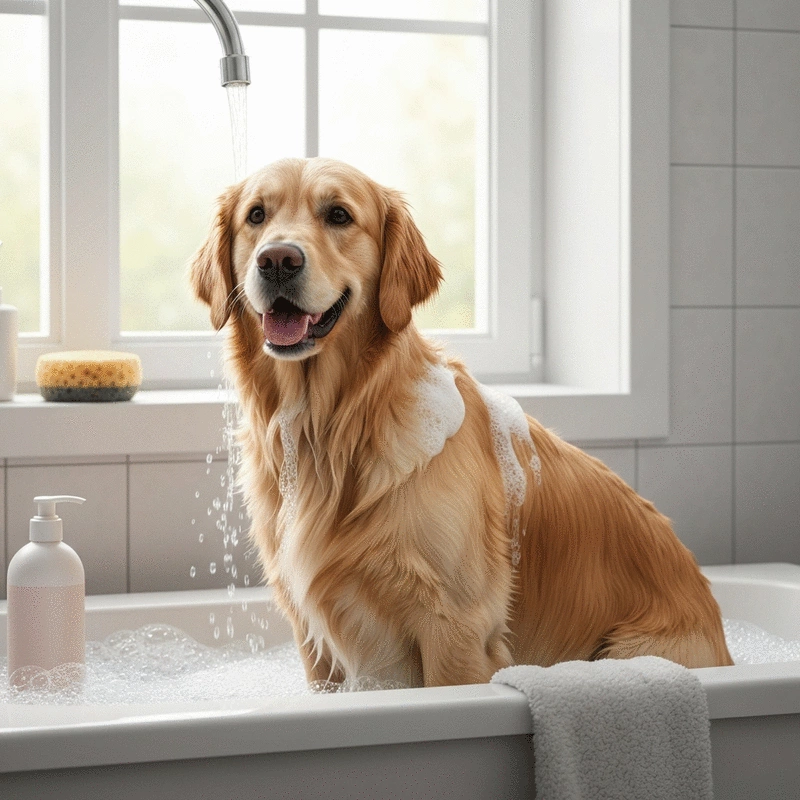
When it comes to our furry friends, maintaining a consistent dog bathing routine is crucial for their overall health and happiness. Just like humans, dogs benefit from regular bathing to keep their skin and coats clean, fresh, and healthy. I've learned over my decade of experience in dog care that establishing a routine not only promotes hygiene but also strengthens the bond between you and your pet through shared experiences.
A routine helps prevent the buildup of dirt and oils that can lead to skin irritations and odors. By sticking to a bathing schedule, we can ensure our pups feel their best and enjoy their time with us!
Regular baths are essential for keeping your dog's coat in tip-top shape. They remove dirt, allergens, and excess oil that contribute to skin problems. Here are some key benefits of a consistent bathing routine:
These elements work together to keep your dog comfortable and reduce the risk of developing skin conditions. Trust me, a clean dog is a happy dog!
Skipping baths can lead to several skin issues that could put your dog at risk. Some common problems include:
By keeping a regular bathing routine, you can significantly reduce the chances of these problems occurring. Your dog deserves the best care, and part of that is ensuring they stay clean and healthy! For more information on dealing with potential issues, explore our article on home remedies for dog skin issues.
It's essential to recognize that a dog's hygiene goes beyond just their coat. Proper bathing can affect their overall health in various ways. For instance, keeping their ears clean helps prevent infections, while regular bathing can also reduce the risk of dental issues by minimizing odor-causing bacteria in the mouth.
Moreover, a clean dog is less likely to develop behavioral issues related to discomfort or irritability. When we prioritize hygiene, we’re not only making our pets feel good, but we’re also ensuring they lead healthier and happier lives!
As a dog owner, how frequently do you bathe your furry friend? Share your thoughts below:
Every dog is unique, and their bathing needs can vary greatly depending on their breed and lifestyle. Understanding how to tailor your dog’s bathing frequency can help you keep their coat healthy and shiny while ensuring their comfort. It's not just about cleanliness; it’s about enhancing their overall well-being!
As a passionate dog care advocate at Canine Wash Wisdom, I've seen firsthand how different breeds respond to varying grooming routines. For instance, some dogs thrive on frequent baths due to their active lifestyles, while others require less frequent bathing to maintain healthy skin and coat. Let’s dive into the specifics!
These recommendations can serve as a starting point. However, individual needs may vary based on your dog's lifestyle and environment.
Short-haired breeds, like Beagles and Boxers, often need fewer baths, sometimes just every couple of months, while double-coated breeds, like Golden Retrievers and Huskies, may need more frequent grooming to remove loose fur and dirt. Here are some quick tips:
By understanding these differences, you can create a bathing schedule that aligns with your dog's specific requirements!
Your dog's lifestyle plays a significant role in determining their bathing needs. Active dogs who love to play outdoors might need more frequent baths compared to couch potatoes. Consider these factors:
Always keep an eye on your dog’s coat and skin condition—if it looks dirty or feels greasy, it might be time for a bath!
Recognizing your dog’s specific coat type is crucial for developing an effective bathing routine. Different coats have distinct needs that can impact how often you should bathe your pet. Here’s a breakdown:
Knowing your dog’s coat type will help you choose the right grooming products and establish a bathing routine that promotes their health! For more insights on grooming tools, check out our guide on must-have dog grooming tools.
Here is a quick recap of the important points discussed in the article:
Clara H. Thompson is a passionate dog care advocate with over a decade of experience in pet grooming and hygiene. With a strong background in animal care and a love for dogs of all breeds, Clara dedicates her expertise to empowering fellow dog owners with practical tips and evidence-based guidance. Her mission is to promote the health and happiness of dogs through effective bathing and grooming routines.