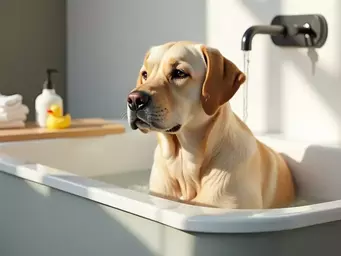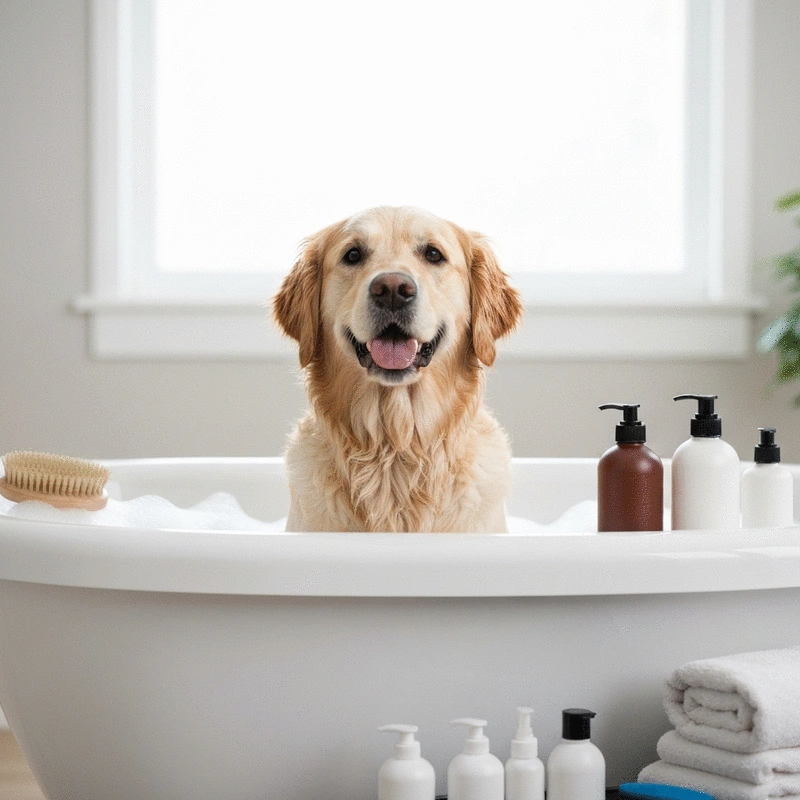
Stage 1: Preparation is Key
- ‣Brush to remove mats & loose fur
- ‣Trim nails & clean ears
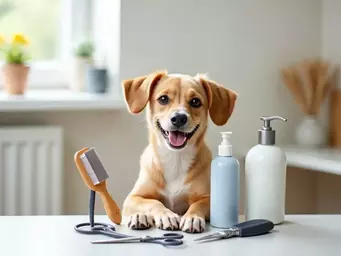
- ‣Gather all supplies (shampoo, towels)
Have you ever wondered what it takes to give your dog a relaxing and effective bath at home? The journey to mastering at-home grooming can feel daunting, but with the right techniques and understanding of your dog’s unique needs, you can transform bath time into a joyful experience for both of you!
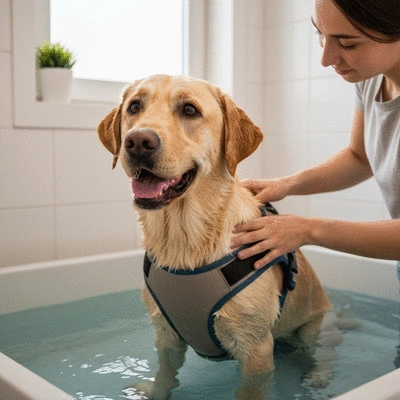
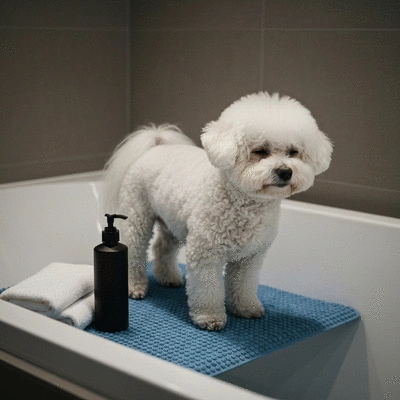
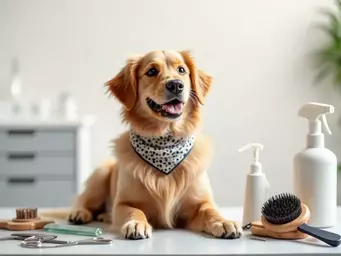
A visual guide to the essential steps for successful at-home dog bathing and grooming, from preparation to post-bath care.
When it comes to bathing your dog, it’s vital to understand their unique needs. Every dog is different, and factors like breed, coat type, and lifestyle all play a role in how often they should be bathed. For example, a Golden Retriever with a thick double coat may need a different bathing schedule than a sleek Beagle. For comprehensive guidelines on dog grooming, you can refer to resources from organizations like the ASPCA. By assessing these factors, you can create a tailored approach that keeps your furry friend clean and happy!
As a passionate dog care advocate, I’ve seen firsthand how understanding your dog’s specific needs can make a world of difference. Not only does it promote better hygiene, but it also fosters a positive grooming experience for both of you!
Once you assess these elements, you can develop a bathing routine that keeps your dog clean without stripping their coat of essential oils. Remember, a relaxed and happy dog leads to an enjoyable bath time!
Before you even think about wetting your pup, it’s crucial to start with brushing. Taking the time to brush your dog helps remove any mats and loose fur, which can make the bathing process much smoother. I recommend using different brushes depending on your dog’s coat type:
Brushing not only helps with cleanliness but also promotes bonding between you and your dog. So, let’s make this a positive start to bath time!
Next up on the grooming checklist are nail trimming and ear cleaning. These steps are vital for maintaining pet hygiene. Regularly trimming your dog’s nails prevents discomfort and potential injuries, while cleaning their ears helps avoid infections. For more detailed guidance on pet grooming and hygiene, the RSPCA's dog grooming guide offers valuable insights. Here are some tips to make this process easy:
Both of these steps can feel daunting at first, but with practice, you'll feel more comfortable and your dog will benefit from it!
Now that you're prepared, let's create a calming environment for your dog during bath time. A non-slip mat in the tub can help your pup feel secure, preventing slips and falls. Additionally, having all your supplies within reach—like shampoo, towels, and brushes—will make the process smoother.
Consider also playing soft music or using a calming scent to ease any anxiety your dog may have about bath time. A little preparation goes a long way!
Understanding your dog’s body language is crucial during bath time. Signs of discomfort, like whining or trying to escape, are cues that your pup might not be enjoying the experience. Pay attention to their signals! For instance:
By being attentive to these signals, you can make adjustments to keep your dog comfortable and create a more enjoyable bathing experience.
The right water temperature is essential for a pleasant bathing experience. Always opt for lukewarm water—this is generally the most comfortable for dogs and helps prevent skin irritation. Test the water on your wrist or elbow to ensure it’s not too hot or cold!
When it’s time to apply shampoo, make sure you choose a product that’s specifically designed for dogs. Avoid human shampoo, as it can disrupt their skin’s pH balance. Apply the shampoo gently, focusing on areas like:
Always avoid their eyes and ears, as these areas can easily become irritated. Remember, a little shampoo goes a long way!
Rinsing is just as important as shampooing! Be sure to rinse your dog thoroughly to remove all shampoo residue, as any leftover product can lead to skin allergies. A good rule of thumb is to rinse until the water runs clear. Your furry friend will thank you for it!
After the bath, drying your dog properly is key. You can use a soft towel to gently pat them dry, or if your dog is comfortable, a pet-safe blow dryer can help speed up the process. Just be sure to keep the dryer on a low setting and maintain a good distance from their skin. Proper drying helps keep their coat healthy and prevents dampness that can lead to odors!
To maintain your dog’s coat health, consider using a moisturizer or conditioner after bathing. This is especially important for dogs with long or curly coats, as it helps prevent dryness and matting. Look for products that are designed specifically for dogs to ensure safety and effectiveness!
Finally, don’t forget that grooming doesn’t end with the bath! Regular brushing after bath time will help keep your dog’s coat in tip-top shape and prevent matting. Incorporate these grooming habits into your routine to keep your furry friend looking and feeling great!
If your dog tends to be anxious during bath time, don’t worry—you’re not alone! Many dog owners face this challenge. Using positive reinforcement techniques, like treats and praise, can help ease your pet’s nerves. Start by introducing them to the bathing area before the actual bath so they can explore and feel more comfortable. For additional advice on managing difficult dogs during grooming, resources such as those from the City of Fort Collins offer helpful strategies.
Lastly, different breeds have unique bathing needs. For instance, a Poodle requires regular grooming and bathing to maintain their coat, while a Bulldog may need less frequent baths but regular skin care due to their skin folds. Tailoring your approach based on breed will ensure you’re meeting your dog’s specific needs!
Did you know? Regular brushing not only helps keep your dog's coat clean but also reduces the amount of hair that ends up in your home! By incorporating brushing into your routine, you can minimize shedding and keep your living space cleaner.
The frequency of bathing depends on your dog's breed, coat type, and lifestyle. Dogs with thick coats or those who spend a lot of time outdoors may need more frequent baths than short-haired breeds or indoor dogs. Always consider their individual needs to avoid stripping essential oils from their skin.
Brushing your dog before a bath is crucial to remove mats, tangles, and loose fur. This makes the bathing process smoother, ensures the shampoo can properly clean the coat and skin, and prevents mats from tightening when wet, which can be painful to remove.
Always use a shampoo specifically designed for dogs. Human shampoos can disrupt your dog's skin pH balance, leading to irritation or dryness. Look for dog-safe shampoos that are appropriate for your dog's skin type (e.g., sensitive skin, anti-itch, moisturizing).
Creating a calm environment is key. Use a non-slip mat in the tub, have all supplies ready, and consider playing soft music or using calming scents. Positive reinforcement with treats and praise during and after the bath can also help your dog associate bath time with positive experiences.
Yes, thorough rinsing is extremely important! Any leftover shampoo residue can irritate your dog's skin, leading to dryness, itching, or skin allergies. Continue rinsing until the water runs completely clear to ensure all product is removed.
As we wrap up our discussion on the essential tips for at-home dog bathing, it’s clear that preparation, patience, and proper techniques are crucial for a successful experience. Remember, every dog is unique, and tailoring your approach based on your furry friend's needs will greatly enhance their comfort and hygiene. From understanding their coat type to ensuring a calm environment, each step plays a vital role in making bath time a positive experience!
Don’t be discouraged if your first few attempts at dog bathing don't go as planned! I encourage you to practice your bathing skills regularly. Here are some tips to help you refine your techniques:
By actively refining your technique, you’ll not only enhance your dog’s bathing experience but also strengthen your bond with them! Keep in mind that each session is a learning opportunity for both of you.
We’d love to hear from you! Please share your experiences and tips for dog bathing in the comments below. By exchanging stories and advice, we can foster a supportive community of dog grooming enthusiasts. At Canine Wash Wisdom, we believe that together, we can empower each other to master the art of at-home dog bathing!
Here is a quick recap of the important points discussed in the article:
Clara H. Thompson is a passionate dog care advocate with over a decade of experience in pet grooming and hygiene. With a strong background in animal care and a love for dogs of all breeds, Clara dedicates her expertise to empowering fellow dog owners with practical tips and evidence-based guidance. Her mission is to promote the health and happiness of dogs through effective bathing and grooming routines.