Dog Odor and Skin Health Insights
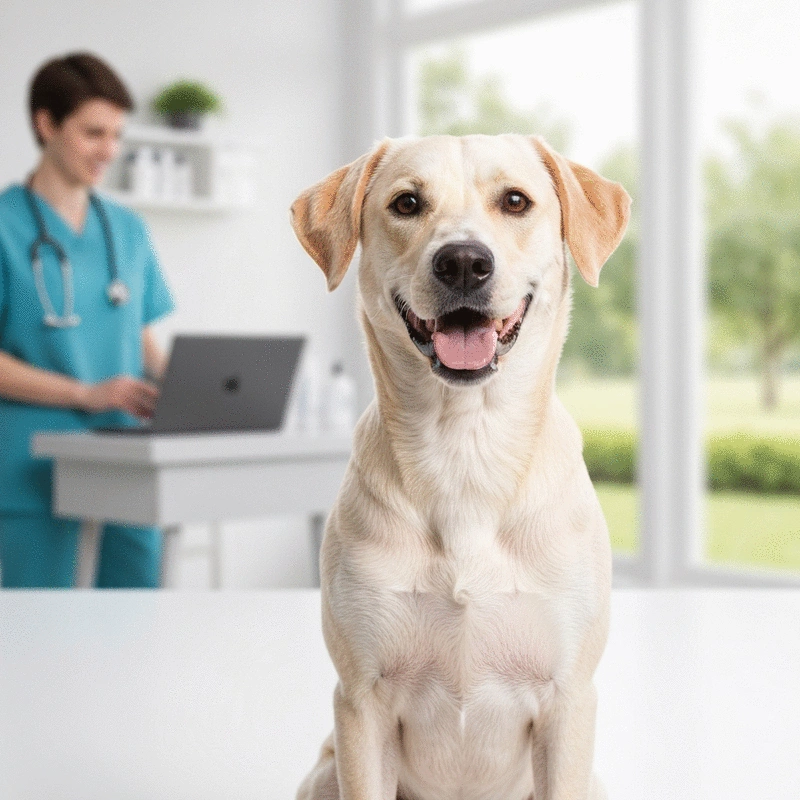
Have you ever wondered why your furry friend occasionally carries an unpleasant odor? Understanding the connection between dog odor and skin health can be pivotal in ensuring your pet feels clean and comfortable. Dive into the insights below to learn how to keep your canine companion smelling fresh!
What You Will Learn
- Dog odor often originates from skin health, with factors like skin infections and oil production contributing to unpleasant smells.
- A healthy skin microbiome is crucial; an imbalance can lead to bad odors and requires regular grooming to maintain.
- Excessive sebum production can trap dirt and bacteria, leading to stronger odors; regular baths help control this.
- Persistent odors might signal underlying medical issues such as bacterial or yeast infections; early veterinary consultation is key.
- A holistic care routine involving regular vet check-ups, a balanced diet, and good grooming practices can significantly reduce dog odors.
- Recognizing symptoms of skin infections and allergies early can prevent odor issues and promote better skin health.
Factors Influencing Dog Odor and Skin Health
This visual outlines the key factors contributing to dog odor, categorized into skin-related issues and common medical conditions, along with overarching strategies for long-term prevention.
Skin-Related Factors
- Skin Microbiome: Imbalance leads to odor-causing bacteria.
- Sebum Production: Excess oil traps dirt and bacteria.
Medical Reasons for Odor
- Infections: Bacterial & Yeast overgrowth.
- Allergies: Skin irritation leading to infections.
- Seborrhea: Flaky, oily skin condition.
Prevention Strategies
- Vet Check-ups: Early detection of skin issues.
- Balanced Diet: Supports healthy skin and coat.
- Proper Grooming: Regular baths and brushing.
- Hygiene Practices: Paw wipes, ear/teeth cleaning, clean bedding.
Understanding the Link Between Dog Odor and Skin Health
As a devoted dog owner, you might have noticed that your furry friend occasionally carries an unpleasant odor. This can be concerning, especially when you want your pet to feel comfortable and clean. Understanding the link between dog odor and skin health is crucial to maintaining your pet’s hygiene and overall well-being. Let’s delve into the factors that contribute to those pesky smells!
Dog odor often originates from the skin, and several factors can contribute to it. From skin infections to the natural oils produced by your dog’s body, there’s a lot to explore. In this section, we'll break down the underlying causes of dog odor and how it connects to their skin health.
What Causes Dog Odor: An Overview of Skin-Related Factors
The smell you might associate with your dog can often be linked to their skin health. There are several skin-related factors that can lead to unpleasant odors, including an imbalance in the skin microbiome, sebaceous gland activity, and infections. Understanding these can help you identify the best ways to keep your dog smelling fresh, such as by following dog odor solutions for bath time!
- Skin Microbiome: The skin is home to a diverse community of microorganisms. An imbalance in this microbiome can lead to bad smells.
- Sebum Production: Sebaceous glands produce oils that can contribute to odor if not managed properly.
- Infections: Bacterial and fungal infections can create significant odors that signal underlying health issues.
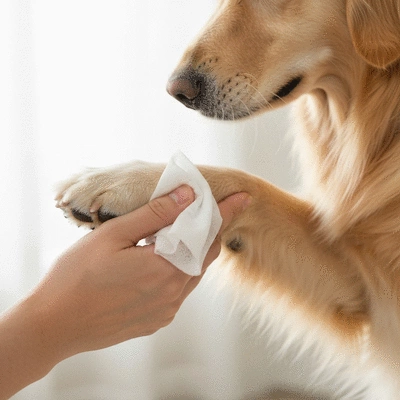
Focusing on the health of your dog's skin can make a big difference in their overall odor. Regular grooming and bathing can help maintain balance in their microbiome as well as manage oil production.
Exploring the Skin Microbiome and Its Role in Odor
The skin microbiome consists of beneficial bacteria and microorganisms that help protect against harmful pathogens. When this balance is disrupted, it can lead to an overgrowth of odor-causing bacteria. Proper grooming is essential to maintaining a healthy microbiome, as it removes dead skin cells and excess oils. I recommend regular baths with gentle, dog-friendly shampoos to keep their skin and coat balanced!
When your dog’s microbiome is healthy, you’ll notice they smell better overall. It’s a win-win for you and your furry friend!
How Sebum Production Influences Dog Smell
Sebum, the natural oil produced by your dog's skin, plays a significant role in their overall health. While it helps keep their skin moisturized, too much sebum can trap dirt and bacteria, leading to unpleasant odors. If you notice your dog smelling stronger than usual, it might be a sign that their skin is producing excessive oil. Regular baths can help control this oil production and keep your dog smelling fresh!
Additionally, using the right grooming products can make all the difference. Look for shampoos designed to balance oil levels while being gentle on your dog’s skin.
Common Medical Reasons Behind Unpleasant Dog Smells
Sometimes, those pesky odors can be a sign of underlying medical issues. If your dog has a persistent smell that doesn’t improve with regular grooming, it’s important to consult with your vet. Here are some common medical reasons that might be causing your dog to smell:
- Bacterial Infections: These can develop on the skin, leading to foul odors.
- Yeast Infections: Yeast overgrowth can cause a musty smell, often seen in certain breeds.
- Skin Allergies: Allergies can lead to skin irritation and infections, which contribute to odor.
- Seborrhea: This skin condition causes flaky, oily skin and can result in strong odors.
Recognizing these signs early can help you seek treatment sooner, ensuring your pup stays healthy and happy!
Identifying Bacterial and Yeast Infections
If your dog is experiencing a sudden increase in odor, it could be due to a bacterial or yeast infection. Both conditions can cause significant discomfort and smell. Look for symptoms like redness, swelling, or discharge, and consult your veterinarian for an accurate diagnosis. Treatment usually involves medicated shampoos or antibiotics, depending on the severity.
Keeping an eye on your dog’s skin can help you catch these issues early, allowing for a quicker return to their usual, fresh-smelling self!
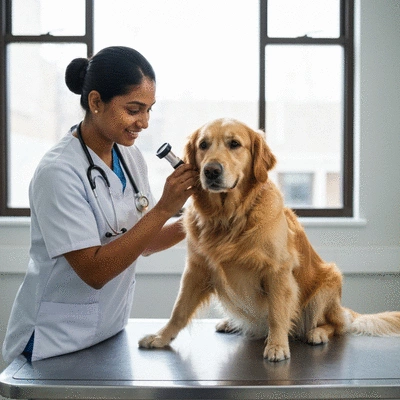
Recognizing Skin Infections: Symptoms and Solutions
Skin infections often come with specific symptoms, including localized odor, redness, and itchiness. Regularly checking your dog’s skin during grooming can help you catch infections early. If you notice any unusual symptoms, immediate veterinary care is essential! Your vet may prescribe topical treatments or medications to address the issue.
Remember, addressing infections promptly not only helps with odor but also promotes better skin health for your canine companion.
Understanding Allergies and Their Impact on Skin Health
Allergies can play a significant role in your dog's skin health, leading to irritation and infections that can cause odor. Common allergens include food ingredients, pollen, and flea bites. If you suspect your dog might have allergies, consider keeping a journal of their symptoms and discussing them with your vet. They might recommend dietary changes or allergy testing to help identify triggers. For more detailed information on managing skin issues, explore our article on home remedies for dog skin issues.
By understanding your dog’s allergy triggers, you can create a plan to minimize their exposure and keep their skin healthy and smelling fresh!
Exploring Seborrhea: What It Is and How It Affects Odor
Seborrhea is a skin condition that can lead to flaky, oily skin and a strong odor. It can be caused by various factors, including allergies, hormonal imbalances, and certain breeds' predispositions. If your dog shows signs of seborrhea, it’s important to consult with your vet for appropriate treatment options. Regular baths with specialized shampoos can help manage the symptoms and reduce the odor.
Understanding seborrhea can empower you to take proactive steps in managing your dog's health, leading to a happier, healthier pup!
We Want to Hear From You!
What do you think about your dog's grooming routine? Are there specific challenges you face in keeping them odor-free? Share your thoughts below:
Frequently Asked Questions About Dog Odor and Skin Health
Here are some common questions about dog odor and how it relates to skin health:
- Q: Why does my dog smell even after a bath?
- A: If your dog still smells after a bath, it could be due to an underlying skin infection (bacterial or yeast), excessive sebum production, or an imbalance in their skin microbiome. Consult your vet to rule out medical causes.
- Q: How often should I bathe my dog to prevent odor?
- A: The frequency of bathing depends on your dog's breed, activity level, and skin condition. Generally, most dogs benefit from a bath every 2-4 weeks. Dogs with certain skin conditions might need more frequent, specialized baths as recommended by a vet.
- Q: Can diet affect my dog's odor?
- A: Yes, a balanced diet rich in essential nutrients, especially Omega-3 and Omega-6 fatty acids, can significantly support healthy skin and coat, indirectly reducing odors caused by skin issues.
- Q: What are the signs of a skin infection in dogs?
- A: Signs of skin infections include persistent odors, redness, inflammation, itching, excessive scratching or licking, hair loss, flaky skin, or discharge. If you notice any of these symptoms, seek veterinary attention promptly.
- Q: Are there any home remedies for dog odor?
- A: While home remedies like baking soda or apple cider vinegar can help neutralize odors, they should be used cautiously and only after consulting your vet to ensure they are safe and appropriate for your dog's specific condition. These are often temporary solutions, and addressing the root cause is essential.
Strategies for Long-Term Odor Prevention and Skin Health
When it comes to keeping your furry friend smelling fresh and looking great, a holistic care routine is key! At Canine Wash Wisdom, I believe that a combination of regular grooming, proper diet, and preventive care can significantly reduce odors and improve your dog's overall skin health.
Let’s break down some essential strategies that can help maintain your dog's hygiene and keep those unwanted smells at bay. It's all about building a routine that works for both you and your pup!
Creating a Holistic Care Routine for Your Dog
Integrating multiple elements into your dog's care routine can make a world of difference. Here’s how you can put together a well-rounded approach:
- Regular Vet Check-ups: Schedule routine veterinary visits to catch any skin issues before they escalate.
- Preventative Care: Discuss options like flea and tick prevention with your vet to keep skin irritations at bay.
- Balanced Diet: Ensure your dog's food is rich in essential nutrients to support skin health.
- Proper Grooming: Establish a grooming routine that includes regular baths and brushing to remove dirt and loose fur.
- Effective Hygiene Practices: Implement daily or weekly cleaning practices that target areas prone to odor.
By incorporating these steps, you’re not just maintaining a clean dog—you're actively contributing to their long-term well-being!
Integrating Regular Vet Check-ups and Preventative Care
Regular veterinary check-ups are crucial in ensuring your dog's skin stays healthy. During these visits, your vet can monitor for changes that may indicate potential issues, such as skin infections or allergies. Preventative care is also essential; using veterinary-recommended products can protect your dog from pests that cause skin irritations.
Don't forget, early detection and intervention are the best ways to prevent unpleasant odors stemming from skin conditions!
Implementing a Balanced Diet and Proper Grooming
The right diet can work wonders for your dog's skin health. Opt for high-quality dog food that contains the right balance of proteins, vitamins, and fatty acids. Foods rich in Omega-3 and Omega-6 fatty acids are particularly beneficial, promoting a healthy coat and skin.
As for grooming, brush your dog regularly to remove dead hair and distribute natural oils, which keeps the skin moisturized. Regular baths with appropriate dog shampoos can also help control odors while ensuring a clean and happy pup!
Adopting Effective Dog Hygiene Practices for Odor Control
Establishing a solid hygiene routine can help keep odors at bay. Here are some practices you might find useful:
- Wipe Down After Walks: Use pet-safe wipes to clean your dog's paws and belly after outdoor excursions.
- Regular Ear Cleaning: Check and clean your dog's ears weekly to prevent infections that can lead to odor.
- Teeth Brushing: Regularly brush your dog’s teeth to prevent bad breath, which can be a sign of underlying health issues.
- Clean Bedding: Wash your dog’s bedding regularly to eliminate odors and keep their resting area fresh.
These practices not only help manage odor but also strengthen your bond with your pet as they feel more comfortable and loved! For more great ideas on maintaining your pet's hygiene, don't miss our comprehensive guide on home dog bathing routine tips.
Final Thoughts on Maintaining a Healthy, Odor-Free Dog
Maintaining a healthy, odor-free dog is a journey that involves commitment and care. Regular attention to grooming, diet, and hygiene can lead to a happier and healthier pet!
Summarizing Key Takeaways on Dog Odor Management
As we wrap up, it's clear that preventing dog odors is about more than just masking smells. Proactive care, including regular vet visits and effective grooming practices, is essential for keeping your dog clean and healthy.
Remember, by understanding your dog's needs and responding to them with a consistent routine, you’re enhancing their quality of life while also minimizing unpleasant odors!
Encouraging Proactive Care and Health Monitoring
Don't wait for a smell to prompt you to act! Regular monitoring of your dog's skin and coat health will help you catch issues early. If you notice anything unusual, don't hesitate to consult your veterinarian.
Taking Action: Your Next Steps for Better Skin Health
Now that you’re equipped with these strategies, it’s time to take action! Implement these practices into your dog’s routine and watch how it positively impacts their health and happiness.
Resources and Tools for Dog Owners to Manage Odor
At Canine Wash Wisdom, we offer various guides and product recommendations to help you navigate your dog’s grooming and hygiene needs. Check out our resources for more tips on effective grooming techniques and product choices!
Home Remedies for Dog Odor: Practical Solutions
If you're ever in a pinch, consider home remedies like baking soda or apple cider vinegar to neutralize odors. Just remember to consult your vet before trying new solutions to ensure they're safe for your dog!
Recap of Key Points
Here is a quick recap of the important points discussed in the article:
- Dog odor is often linked to skin health, influenced by factors such as the skin microbiome, sebum production, and infections.
- Regular grooming and bathing with gentle, dog-friendly products can help maintain a healthy skin microbiome and manage odor.
- Common medical issues like bacterial infections, yeast infections, and skin allergies can contribute to persistent odors and should be addressed promptly with a veterinarian.
- Creating a holistic care routine that includes regular vet check-ups, a balanced diet, and effective hygiene practices is essential for long-term odor prevention.
- Monitoring your dog's skin and coat health regularly can help catch issues early, ensuring your pet remains healthy and odor-free.

Clara H. Thompson
Clara H. Thompson is a passionate dog care advocate with over a decade of experience in pet grooming and hygiene. With a strong background in animal care and a love for dogs of all breeds, Clara dedicates her expertise to empowering fellow dog owners with practical tips and evidence-based guidance. Her mission is to promote the health and happiness of dogs through effective bathing and grooming routines.
Popular Posts
Grooming Tools for Healthy Dog Skin
![Grooming Tools for Healthy Dog Skin]() What if your dog's grooming routine could significantly enhance their skin health? Regular grooming
What if your dog's grooming routine could significantly enhance their skin health? Regular grooming
 What if your dog's grooming routine could significantly enhance their skin health? Regular grooming
DIY Dog Grooming Tool Ideas
![DIY Dog Grooming Tool Ideas]() Have you ever considered how a simple grooming session could transform your relationship with your d
Have you ever considered how a simple grooming session could transform your relationship with your d
 Have you ever considered how a simple grooming session could transform your relationship with your d
Calming Bath Time for Dogs
![Calming Bath Time for Dogs]() Imagine a world where bath time is no longer a dreaded chore, but a delightful bonding experience be
Imagine a world where bath time is no longer a dreaded chore, but a delightful bonding experience be
 Imagine a world where bath time is no longer a dreaded chore, but a delightful bonding experience be
Preventing and Treating Dog Matting
![Preventing and Treating Dog Matting]() Have you ever wondered how your dog's grooming habits affect their health? Understanding the connect
Have you ever wondered how your dog's grooming habits affect their health? Understanding the connect
 Have you ever wondered how your dog's grooming habits affect their health? Understanding the connect
