Home Remedies for Dog Skin Issues
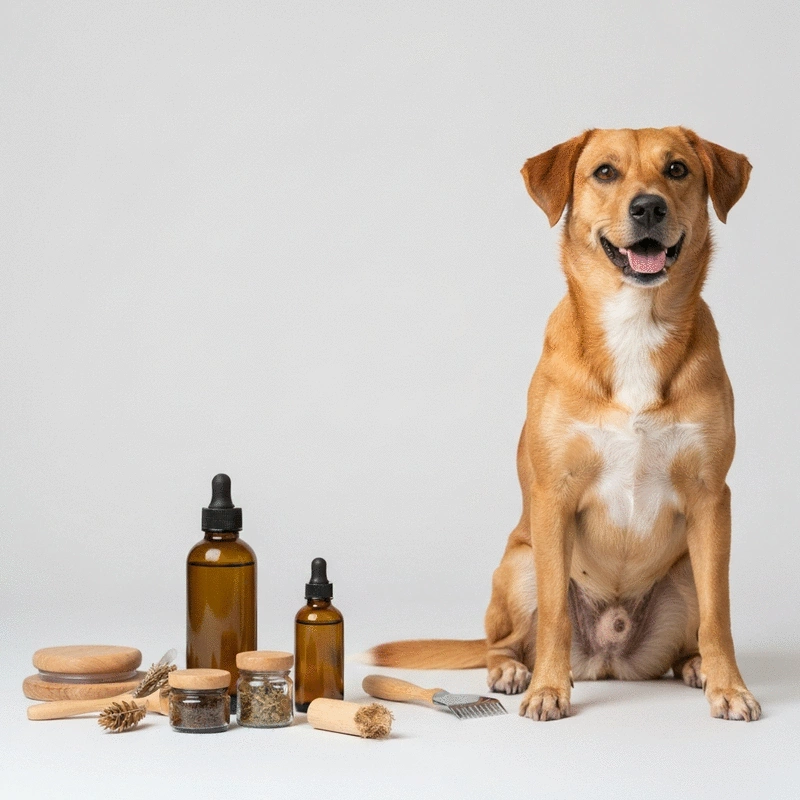
Understanding your dog's skin health is essential for their happiness and well-being. With the right knowledge, you can easily identify issues before they escalate.
What You Will Learn
- Common symptoms of dog skin conditions include itching, redness, and inflammation.
- Allergies, parasites, and infections are primary causes of skin issues in dogs.
- Types of conditions such as dermatitis, flea allergies, and yeast infections require different treatments.
- Regular grooming and monitoring can help detect skin problems early on.
- Natural remedies and dietary changes can significantly support your dog's skin health.
Key Aspects of Dog Skin Health: Symptoms, Causes, and Care
Understanding the fundamental aspects of dog skin health, from identifying symptoms to proactive care, can significantly improve your pet's well-being. Below is a visual representation of these crucial elements.
Understanding Common Dog Skin Conditions
As a dog owner, it's crucial to be aware of the various skin conditions that can affect your furry friend. Just like us, dogs can experience skin issues that may cause discomfort and distress. Recognizing these conditions early can make a world of difference in your dog's health and happiness.
Common symptoms of skin conditions include itching, redness, and inflammation. If your pup is constantly scratching, biting, or licking specific areas, it’s essential to take note. Let's dive deeper into the symptoms and causes of these conditions to help you keep your dog content and healthy!
Identifying Symptoms of Dog Skin Conditions
To effectively identify skin issues in dogs, watch for a variety of symptoms. Here’s a quick list of signs that may indicate a skin condition:
- Itching or scratching: Persistent scratching can indicate allergies or irritants.
- Redness and swelling: Inflamed skin may suggest an infection or allergic reaction.
- Flaky or dry skin: This can be a sign of nutritional deficiencies or environmental factors.
- Hair loss: Sudden or patchy hair loss should be investigated.
Observing your dog's behavior can provide valuable clues. If you notice any of these symptoms, it's advisable to consult with your veterinarian for a thorough examination.
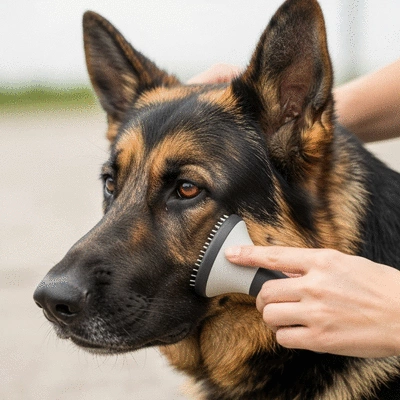
Common Causes Behind Dog Skin Issues
Understanding the underlying causes of dog skin conditions can help you prevent and manage these issues more effectively. Here are some common factors contributing to skin problems:
- Allergies: Dogs can be allergic to various substances, including food, pollen, and dust mites.
- Parasites: Fleas, ticks, and mites can cause significant irritation and lead to skin infections.
- Environmental factors: Seasonal changes and exposure to harsh chemicals can affect your dog’s skin.
- Infections: Bacterial and fungal infections can arise from other skin issues, causing further irritation.
Throughout my years at Canine Wash Wisdom, I’ve seen the impact of these factors firsthand. Being proactive about your dog’s skin health can help avoid uncomfortable situations for both you and your furry companion!
Types of Dog Skin Conditions: From Allergies to Infections
There’s a range of skin conditions that can affect dogs, each with its own unique symptoms and treatments. Here’s an overview of some common conditions you might encounter:
- Canine dermatitis: This is inflammation of the skin, often caused by allergens or irritants.
- Flea allergy dermatitis: A reaction to flea bites that leads to significant itching and irritation.
- Yeast infections: These can occur in warm, moist areas of the body, often causing odor and redness.
- Bacterial infections: These may develop secondary to other skin issues and require treatment.
Recognizing these conditions early is key to effective treatment. If you suspect your dog is experiencing any of these issues, don’t hesitate to reach out to your veterinarian for guidance!
Frequently Asked Questions About Dog Skin Health
Q1: What are the most common signs of a dog skin condition?
The most common signs include persistent itching or scratching, redness, swelling, flaky or dry skin, and sudden or patchy hair loss. Observing these symptoms early can help in prompt treatment.
Q2: What typically causes skin issues in dogs?
Skin issues in dogs are often caused by allergies (food, pollen, dust mites), parasites (fleas, ticks, mites), environmental factors (seasonal changes, chemicals), and bacterial or fungal infections.
Q3: Can natural remedies help with my dog's skin problems?
Yes, natural remedies such as coconut oil and oatmeal baths can help alleviate symptoms and support skin health. For more detailed information on home remedies, you can refer to sources like PetMD's guide on home remedies for dogs and Texas A&M's insights on natural remedies for dog skin issues.
Q4: How often should I groom my dog to monitor skin health?
Regular grooming is crucial for monitoring skin health. It's recommended to check your dog's skin for any changes or abnormalities during each grooming session. Consistent routines help detect problems early.
Q5: When should I consult a veterinarian about my dog's skin condition?
You should consult a veterinarian if you notice persistent or worsening symptoms, or if you are unsure about the cause or best course of treatment. Professional advice ensures tailored care for your dog's specific needs. Further research by scientific communities, such as studies found on PMC NCBI, continually advances our understanding of effective treatments for canine skin conditions.
Engage with Your Dog's Health!
Have you noticed any changes in your dog's skin or coat recently? Understanding your dog’s skin conditions can make a significant difference in their comfort and overall health. Share your experiences and thoughts in the comments below!
Summarizing Essential Insights on Dog Skin Care
As we wrap up our discussion on dog skin conditions, it's vital to remember just how crucial it is to recognize and address these issues early. Understanding the common symptoms—like itching, redness, or inflammation—can help you take swift action to keep your furry friend comfortable. With the right knowledge, you can manage these conditions effectively, ensuring your dog's coat remains healthy and vibrant.

We’ve explored a range of home remedies that can alleviate symptoms and enhance skin health. From natural treatments like coconut oil and oatmeal baths to dietary adjustments that support overall well-being, there are several paths you can take. By integrating these strategies into your regular grooming routine, you can foster a positive environment for your dog's skin health. Additional information on natural remedies can be found via sources like PetMD.
- Recognize the signs of skin conditions early
- Utilize natural remedies for relief
- Make dietary changes to improve skin health
- Maintain a consistent grooming schedule
Ultimately, prevention and prompt care are key. By being proactive and informed, you can make a significant difference in your dog's quality of life!
Encouraging Proactive Care for Your Dog's Skin Health
It's not just about addressing skin issues when they arise; regular monitoring of your dog's skin is essential for long-term health. I recommend setting aside time during grooming sessions to check for any changes or abnormalities. Pay attention to any behavioral changes that might indicate discomfort, such as excessive scratching or licking. For more insights on natural remedies for dog skin issues, you might find Texas A&M University's article helpful.
In addition to monitoring, applying preventive measures is crucial. Ensure your dog is groomed regularly and that their environment is free from allergens. This includes keeping their bedding clean, bathing them with gentle, dog-safe products, and controlling outdoor exposure to potential irritants. When in doubt, don’t hesitate to reach out to your veterinarian for advice! They can provide valuable insights tailored to your dog's specific needs. Scientific research, such as that published on PMC NCBI, continually advances our understanding of effective treatments for canine dermatological conditions.
- Monitor for changes during grooming
- Implement a consistent grooming routine
- Keep your dog's environment clean and allergen-free
- Consult a vet for tailored advice when necessary
By taking these proactive steps, you are not only caring for your dog’s skin but also strengthening your bond with them. Remember, at Canine Wash Wisdom, we believe that a happy, healthy dog begins with effective grooming practices that promote well-being!
Recap of Key Points
Here is a quick recap of the important points discussed in the article:
- Recognize Symptoms: Watch for itching, redness, swelling, flaky skin, and hair loss as signs of potential skin conditions.
- Identify Causes: Common causes include allergies, parasites, environmental factors, and infections.
- Types of Conditions: Familiarize yourself with conditions like dermatitis, flea allergy dermatitis, yeast infections, and bacterial infections.
- Proactive Monitoring: Regularly check your dog’s skin during grooming and maintain a clean, allergen-free environment.
- Consult a Veterinarian: Always seek professional advice if symptoms persist or worsen.

Clara H. Thompson
Clara H. Thompson is a passionate dog care advocate with over a decade of experience in pet grooming and hygiene. With a strong background in animal care and a love for dogs of all breeds, Clara dedicates her expertise to empowering fellow dog owners with practical tips and evidence-based guidance. Her mission is to promote the health and happiness of dogs through effective bathing and grooming routines.
Popular Posts
Grooming Tools for Healthy Dog Skin
![Grooming Tools for Healthy Dog Skin]() What if your dog's grooming routine could significantly enhance their skin health? Regular grooming
What if your dog's grooming routine could significantly enhance their skin health? Regular grooming
 What if your dog's grooming routine could significantly enhance their skin health? Regular grooming
DIY Dog Grooming Tool Ideas
![DIY Dog Grooming Tool Ideas]() Have you ever considered how a simple grooming session could transform your relationship with your d
Have you ever considered how a simple grooming session could transform your relationship with your d
 Have you ever considered how a simple grooming session could transform your relationship with your d
Calming Bath Time for Dogs
![Calming Bath Time for Dogs]() Imagine a world where bath time is no longer a dreaded chore, but a delightful bonding experience be
Imagine a world where bath time is no longer a dreaded chore, but a delightful bonding experience be
 Imagine a world where bath time is no longer a dreaded chore, but a delightful bonding experience be
Preventing and Treating Dog Matting
![Preventing and Treating Dog Matting]() Have you ever wondered how your dog's grooming habits affect their health? Understanding the connect
Have you ever wondered how your dog's grooming habits affect their health? Understanding the connect
 Have you ever wondered how your dog's grooming habits affect their health? Understanding the connect
