Short Coats
Smooth, low-maintenance. Occasional brushing.
Have you ever wondered why your dog seems to shed more at certain times of the year? Understanding your dog's coat type is the first step to ensuring they receive the right grooming and care. This guide will help you navigate the essential grooming needs of your furry friend!
Understanding your dog's specific coat type is crucial for effective and comfortable grooming. This guide outlines common coat types and the ideal brushes to keep your canine companion looking and feeling their best. For a comprehensive list of essential tools, check out our article on must-have dog grooming tools.
Smooth, low-maintenance. Occasional brushing.
Needs regular grooming to prevent mats/tangles.
Requires specific brushes to maintain texture.
Thorough grooming for shedding and undercoat.
For detangling long/curly coats and removing mats.
Ideal for wiry coats; maintains texture without damage.
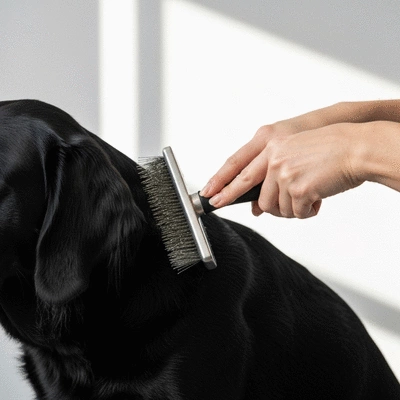
For short coats; distributes natural oils and removes loose fur.
Targets undercoat to significantly reduce shedding.
Every dog is unique, and their coat type plays a crucial role in determining their grooming needs. Understanding whether your furry friend has a short, long, wiry, or double coat can help you make better decisions about their grooming routine. Let's dive into the different coat types and how they affect your grooming choices!
Short coats, like those of Boxers and Beagles, require less maintenance compared to long or curly coats. Long-haired breeds, such as Golden Retrievers and Shih Tzus, on the other hand, need regular brushing to prevent tangles. By identifying your dog's coat type, you can choose the right tools and techniques to keep them comfortable and happy!
Recognizing these coat types helps you understand your dog's specific grooming needs. For instance, double-coated breeds like Huskies need special attention, especially during shedding seasons. By learning about your dog's coat, you can ensure they receive the best care possible! For more detailed guidance, consider these dog bathing tips for beginners.
Selecting the right grooming brush based on your dog's coat type is essential for optimal care and comfort. Using the wrong brush can lead to discomfort, skin irritations, or ineffective grooming. For example, a slicker brush works wonders on long-haired breeds by detangling and removing loose hair effectively.
If your dog has a wiry coat, a pin brush would be a better choice to avoid damaging the coat structure. Ultimately, using the right tools tailored for your dog's coat type will enhance their grooming experience and keep them looking their best!
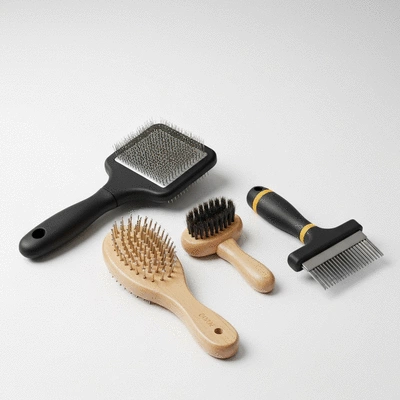
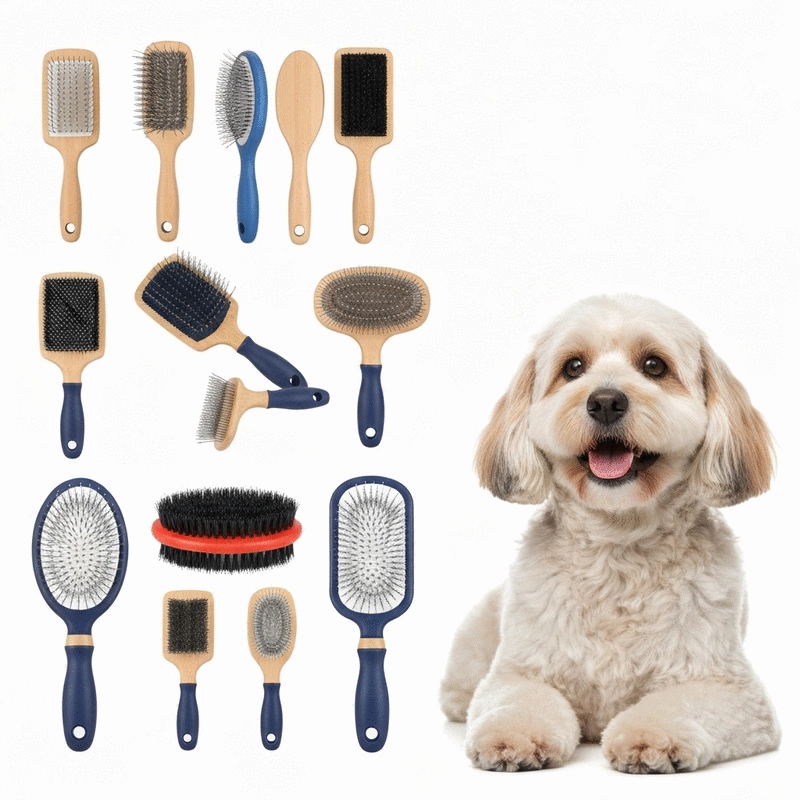
With so many grooming brushes available, it can be tricky to decide which one is right for your dog. Here’s a breakdown of various brush types and their functions to help you make an informed choice:
Understanding these brush types is key to creating a successful grooming routine. If you're unsure which brush to choose, don't hesitate to reach out to us at Canine Wash Wisdom for personalized recommendations tailored to your pup!
By knowing the function of each brush type, you can enhance your dog’s grooming experience and ensure they are comfortable during the process. Don't forget to take your dog’s personality into account when grooming; some pups may need a gentle approach!
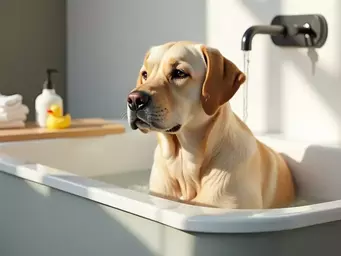
When grooming your dog, always start with a clean coat. Bathing your dog before brushing can make the process easier and more effective. Clean fur is less likely to tangle and will allow you to see any skin issues that may need attention. Plus, your dog will appreciate the fresh feeling!
As we explore the world of dog grooming, it’s crucial to remember how important it is to match grooming brushes with your dog's specific coat type. Each coat type—whether short, long, wiry, or double—demands its own unique grooming approach. Not only does the right brush make the grooming process smoother, but it also impacts your dog's overall health and comfort.
Using the appropriate brush can help maintain your dog’s coat in top condition, which in turn contributes to their happiness and well-being. Regular grooming not only keeps their fur clean and free of tangles but also promotes healthy skin by distributing natural oils. So, understanding your dog’s coat type is a vital step in their grooming journey!
Now that you have a better understanding of coat types and the grooming brushes that work best, it's time to take action! I encourage you to evaluate your dog's coat type and put this guide to good use. Here’s a quick checklist to help you choose the best grooming brush:
Taking these steps can significantly enhance your dog’s grooming experience. Remember, at Canine Wash Wisdom, we’re here to support you in mastering the art of grooming! For more information on maintaining a healthy coat, read our guide on bathing dogs: a simple guide.
I invite you to engage with us! Have you tried different brushes for your furry friend? What has worked for you? I’d love to hear your grooming tips and any challenges you’ve faced along the way. Please leave a comment or ask questions right here. Sharing your experiences not only helps you but also builds a community of dog owners who are passionate about optimal grooming practices!
Here is a quick recap of the important points discussed in the article:
Clara H. Thompson is a passionate dog care advocate with over a decade of experience in pet grooming and hygiene. With a strong background in animal care and a love for dogs of all breeds, Clara dedicates her expertise to empowering fellow dog owners with practical tips and evidence-based guidance. Her mission is to promote the health and happiness of dogs through effective bathing and grooming routines.