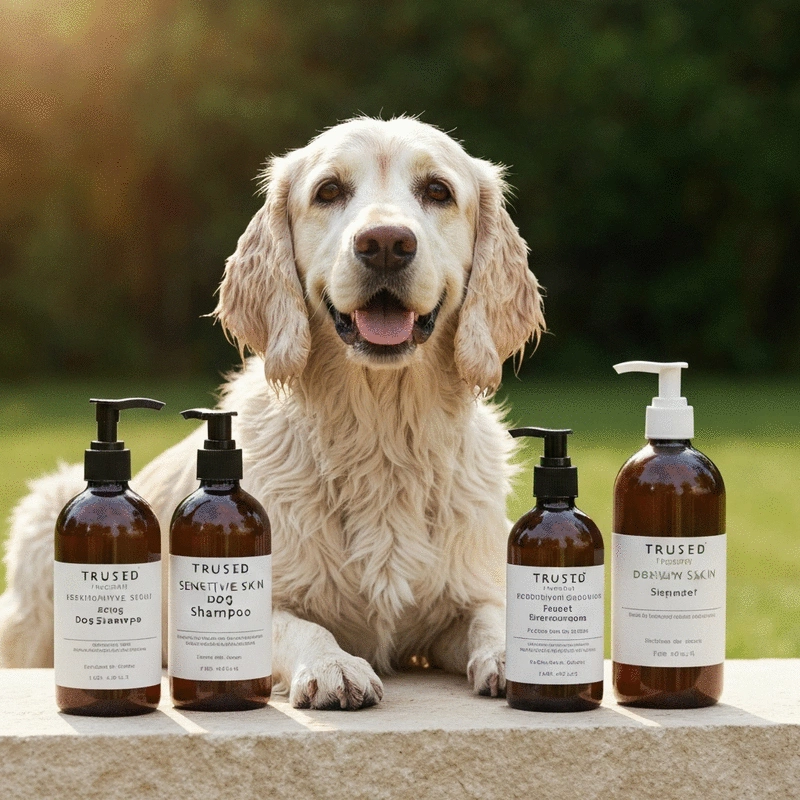
When it comes to taking care of our furry companions, we often focus on their nutrition and exercise, but what about their skin health? Sensitive skin in dogs can lead to discomfort and various health issues if not properly addressed. Understanding how to choose the right shampoo is essential for your dog's overall well-being.
What You Will Learn
Recognize common symptoms of sensitive skin in dogs, such as excessive scratching, redness, and hair loss.
Understand the importance of selecting a shampoo formulated for sensitive skin to prevent exacerbating existing conditions.
Identify key ingredients to look for in dog shampoos, including hypoallergenic components and natural moisturizers.
Learn when to consult a veterinarian for professional guidance on persistent skin issues and allergies.
Discover common triggers for skin sensitivities, such as food allergies and environmental allergens.
Get tips on how to transition your dog to a new shampoo safely and effectively.
Canine Skin Health: Symptoms, Triggers, and Solutions
Understanding your dog's sensitive skin, recognizing allergy signs, and choosing the right products are key to their well-being. Below is a visual summary of common symptoms, triggers, and important considerations for selecting their shampoo.
Common Symptoms of Sensitive Skin
Frequent scratching or biting
Redness and inflammation
Flaky or dry patches
Odor or excessive greasiness
Key Shampoo Ingredients
Hypoallergenic components
Natural moisturizers (oatmeal, aloe vera)
Anti-inflammatory ingredients
Common Allergy Triggers
Food Allergies (beef, chicken, grains)
Environmental Allergens (pollen, dust mites)
Flea Bites
Shampoo pH Balance Matters
Dog skin pH (6.5-7.5) is more acidic than human skin. Using dog-specific shampoo helps maintain the skin barrier, prevent dryness, and enhance overall skin health.
Understanding Sensitive Skin in Dogs: The Need for Special Shampoo
As a dog owner, you might notice that your furry friend sometimes has sensitive skin. This can lead to a variety of issues, from itching and irritation to severe discomfort. It's crucial to understand these symptoms and how they relate to your dog's overall health. At Canine Wash Wisdom, we prioritize the well-being of our pets, which is why choosing the right shampoo for sensitive skin can make a world of difference! If you're new to dog bathing, these dog bathing tips for beginners can help you get started.
Common signs of sensitive skin include excessive scratching, red or inflamed patches, and hair loss. You might also find that your dog avoids being touched in certain areas, indicating discomfort. If you notice these symptoms, it’s time to consider a special shampoo tailored for their unique needs.
Common Symptoms of Sensitive Skin in Dogs
Frequent scratching or biting at the skin
Redness and inflammation
Flaky or dry patches on the skin
Odor or excessive greasiness
Recognizing these warning signs is the first step in addressing your dog's skin issues. If left untreated, sensitive skin can lead to more serious conditions like infections or allergies. It's important to stay vigilant and responsive to any changes in your dog's behavior or coat.
The Importance of Choosing the Right Shampoo
Choosing the right shampoo isn’t just about making your dog smell good; it's about ensuring their skin stays healthy and balanced. The wrong products can exacerbate existing skin issues or lead to new problems. That's why at Canine Wash Wisdom, we advocate for using shampoos specifically formulated for sensitive skin.
When selecting a shampoo, look for products with natural ingredients that are gentle on the skin. A proper shampoo can help soothe irritation, reduce inflammation, and keep your dog's coat clean without stripping away essential oils.
Key Ingredients to Look for in Sensitive Skin Dog Shampoo
Now that we understand the importance of using the right shampoo, let's dive into the key ingredients that can benefit dogs with sensitive skin. Look for shampoos with the following:
Hypoallergenic components to minimize irritations
Natural moisturizers like oatmeal and aloe vera
Anti-inflammatory ingredients to soothe the skin
By focusing on these ingredients, you can help ensure your dog’s skin remains healthy, hydrated, and irritation-free!
Pro Tip
When choosing a shampoo for your dog with sensitive skin, always perform a patch test first. Apply a small amount of the new shampoo to a limited area of your dog's skin and wait 24 hours to see if any adverse reactions occur. This simple step can help you avoid discomfort for your furry friend!
Recognizing the Signs of Allergies: When to Consult a Vet
As a devoted dog owner, I understand how concerning it can be when our furry friends exhibit signs of discomfort. Recognizing the signs of allergies is crucial for maintaining their health and well-being. If your dog is frequently scratching, licking, or has red, inflamed skin, it’s time to pay attention. These symptoms may indicate that your pup is struggling with allergies, and seeking professional guidance from your veterinarian is essential. Sometimes, natural remedies for dog itching can offer temporary relief before a vet visit.
Sometimes, we might mistake these symptoms for simple skin irritations or sensitivity. However, the right veterinary assessment can provide clarity. A vet can pinpoint whether it’s a reaction to environmental factors, food, or something else entirely. Remember, addressing the root cause is key to ensuring your dog’s comfort!
The Importance of Professional Guidance
When our pets are unwell, it’s easy to resort to DIY fixes or over-the-counter treatments. While these may offer temporary relief, they often don’t tackle the underlying issues. That’s why consulting with a vet who understands dog dermatology can make a significant difference. Here are some reasons why professional guidance is vital:
Accurate Diagnosis: A vet can properly diagnose the specific condition affecting your dog's skin.
Customized Treatment: They can recommend a tailored treatment plan based on your dog's unique needs.
Monitoring Progress: Regular check-ups ensure that your dog's skin health improves over time.
In my experience with Canine Wash Wisdom, I often emphasize the importance of involving a professional when dealing with complex skin issues. This can make the grooming process smoother and more effective in the long run.
Key Triggers for Skin Sensitivities
Understanding what triggers skin sensitivities in dogs can empower you to take proactive measures in their care. Some common triggers to watch for include:
Food Allergies: Ingredients like beef, chicken, dairy, or grains can sometimes cause reactions.
Environmental Allergens: Pollen, dust mites, and mold are frequent culprits in allergic reactions.
Flea Bites: Flea allergies are common and can lead to significant discomfort for your dog.
Identifying these triggers requires observation and sometimes even a bit of detective work. Keeping a journal of your dog's symptoms and environmental factors can help you and your vet pinpoint the cause!
Common Allergens and Their Impact on Dog Skin Health
Many allergens can negatively affect your dog’s skin health. Being aware of these can help you make informed choices about your dog's environment and grooming routine. Here are some common allergens:
Pollen: Seasonal allergies can lead to itchy skin and inflammation.
Dust Mites: These tiny pests can trigger allergic reactions, especially indoors.
Certain Fabrics: Some dogs react to synthetic materials, leading to contact dermatitis.
By minimizing exposure to these allergens, you can help improve your dog's overall skin condition. Regular cleaning and grooming practices can also aid in removing allergens from their coat!
Making an Informed Decision on Shampoo for Your Dog
When it comes to selecting a shampoo for your sensitive-skinned dog, being informed can lead to better choices that enhance their well-being. Here are some practical tips to guide you:
Practical Tips for Choosing the Best Product
Finding the right shampoo for your pup involves more than just picking a bottle off the shelf. Here are some practical tips:
Read Labels: Look for products that are specifically designed for sensitive skin and are free from harsh chemicals.
Consult Your Vet: Always ask your veterinarian for recommendations based on your dog’s specific needs.
Consider pH Balance: Dog shampoos should have a pH that matches your dog’s skin for optimal compatibility.
In my experience, choosing the right shampoo can make all the difference. A gentle formula can help soothe your dog’s skin and leave their coat looking shiny and healthy!
How to Transition Your Dog to a New Shampoo Safely
Transitioning to a new shampoo should be done gradually to avoid stressing your dog’s skin. Here’s how:
Start Slowly: Mix a little of the new shampoo with the old one and gradually increase the ratio over a week.
Monitor for Reactions: Watch for any signs of irritation or allergies during the transition.
Stick to a Schedule: Consistent bathing routines can help your dog adapt more easily.
Patience is key! A smooth transition can make bath time a more pleasant experience for both you and your dog.
Understanding pH Balance in Dog Shampoos
The pH balance of your dog’s shampoo is an important factor in maintaining their skin health. A dog’s skin is more acidic than ours, typically ranging from 6.5 to 7.5 in pH. Choosing a shampoo that aligns with this range helps:
Maintain Skin Barrier: A balanced pH supports the skin’s protective barrier against irritants.
Prevent Dryness: Using the wrong pH can lead to dry, flaky skin.
Enhance Overall Skin Health: A product designed for dogs is formulated with their unique pH in mind.
In my experience with Canine Wash Wisdom, understanding pH can significantly improve your dog’s grooming experience and overall skin health! For a more comprehensive guide on selecting the right products, check out our sensitive skin dog shampoo guide.
Frequently Asked Questions About Sensitive Skin in Dogs
Here are some common questions about sensitive skin in dogs and how to address them:
Q: How do I know if my dog has sensitive skin?
A: Common signs include frequent scratching, redness, inflammation, flaky or dry patches, and excessive greasiness or odor. If you notice these symptoms, your dog likely has sensitive skin.
Q: Why is choosing the right shampoo important for dogs with sensitive skin?
A: The right shampoo helps soothe irritation, reduce inflammation, and maintain the skin's natural balance without stripping essential oils. Incorrect shampoos can worsen existing conditions.
Q: What ingredients should I look for in a sensitive skin dog shampoo?
A: Look for hypoallergenic components, natural moisturizers like oatmeal and aloe vera, and anti-inflammatory ingredients. These help hydrate and calm irritated skin.
Q: When should I consult a veterinarian about my dog's skin issues?
A: You should consult a vet if your dog's symptoms are persistent, severe, or if home remedies don't provide relief. A vet can accurately diagnose allergies or other underlying conditions and recommend a tailored treatment plan.
Q: What are common triggers for dog skin sensitivities?
A: Common triggers include food allergies (e.g., beef, chicken, grains), environmental allergens (e.g., pollen, dust mites, mold), and flea bites. Identifying and minimizing exposure to these triggers can help.
Q: How should I transition my dog to a new shampoo?
A: Transition gradually by mixing a small amount of the new shampoo with the old one, slowly increasing the new shampoo's ratio over a week. Monitor your dog for any adverse reactions during this period.
Q: Why is pH balance important in dog shampoos?
A: Dog skin has a different pH (6.5-7.5) than human skin. Using a dog-specific shampoo with the correct pH helps maintain the skin's protective barrier, prevents dryness, and promotes overall skin health.
Recap of Key Points
Here is a quick recap of the important points discussed in the article:
Common signs of sensitive skin in dogs include excessive scratching, redness, and hair loss.
Choosing a shampoo specifically formulated for sensitive skin can help maintain your dog's skin health.
Look for key ingredients like hypoallergenic components, natural moisturizers, and anti-inflammatory ingredients in dog shampoos.
Recognizing allergy symptoms in dogs is essential, and consulting a veterinarian is recommended for accurate diagnosis and treatment.
Understanding triggers for skin sensitivities can help you take proactive measures in your dog's care.
When selecting a shampoo, read labels carefully and consult your vet for the best recommendations based on your dog's needs.
Transitioning to a new shampoo should be done gradually to avoid skin irritation.
Maintaining a proper pH balance in dog shampoos is crucial for skin health.
Clara H. Thompson
Clara H. Thompson is a passionate dog care advocate with over a decade of experience in pet grooming and hygiene. With a strong background in animal care and a love for dogs of all breeds, Clara dedicates her expertise to empowering fellow dog owners with practical tips and evidence-based guidance. Her mission is to promote the health and happiness of dogs through effective bathing and grooming routines.
Canine Wash Wisdom is dedicated to empowering dog owners with essential insights and practical guidance on bathing, grooming, and maintaining their pets' coats. Our mission is to demystify dog hygiene and equip you with actionable tips for a happy, healthy, and clean canine companion.
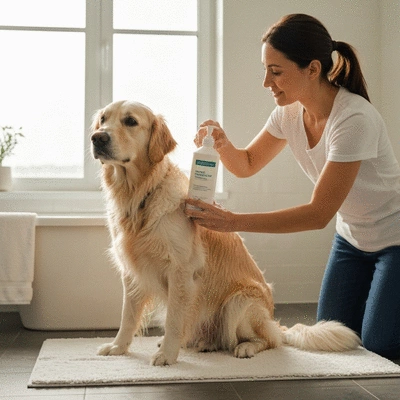
Start your grooming session by gathering all essentials: dog-specific shampoo, brushes, and plenty of treats. Preparation makes for a stress-free bath!
Don’t underestimate the power of positive reinforcement. Reward your pup with treats and praise during and after grooming to build positive associations!
Utilize warm, not hot, water for baths. Lukewarm water is much more comfortable for your dog and helps prevent skin irritation.
Ensure your dog's ears are protected during baths. Cotton balls gently placed in the ear canals can prevent water from entering and causing infections.
Focus on thoroughly rinsing out all shampoo. Residue can lead to skin irritation and dull coats, so rinse until the water runs clear!
Leverage the right brush for your dog's coat type. A slicker brush works wonders for detangling, while a deshedding tool can reduce loose fur.
Create content with search intent in mind. Understanding what your audience is looking for can guide your strategy.
Regularly update your content. Fresh and updated posts signal to search engines that your site is active and relevant.
Use descriptive and user-friendly URLs. Clean URLs improve SEO and provide clarity for your audience.
Incorporate social sharing buttons. They make it easy for readers to share your content, increasing its visibility and reach.
Implement schema markup. Structured data helps search engines understand your content and improves rich snippet visibility.
Optimize for voice search. Use natural language and question-based keywords to align with voice query trends.
Encourage reviews on Google and other platforms. Positive reviews enhance your online reputation and local SEO.
Monitor and improve your page speed. A fast-loading site improves user satisfaction and search engine rankings.
Include a clear call-to-action in every post. This boosts engagement and guides readers to take the next step towards mastering their DIY SEO!