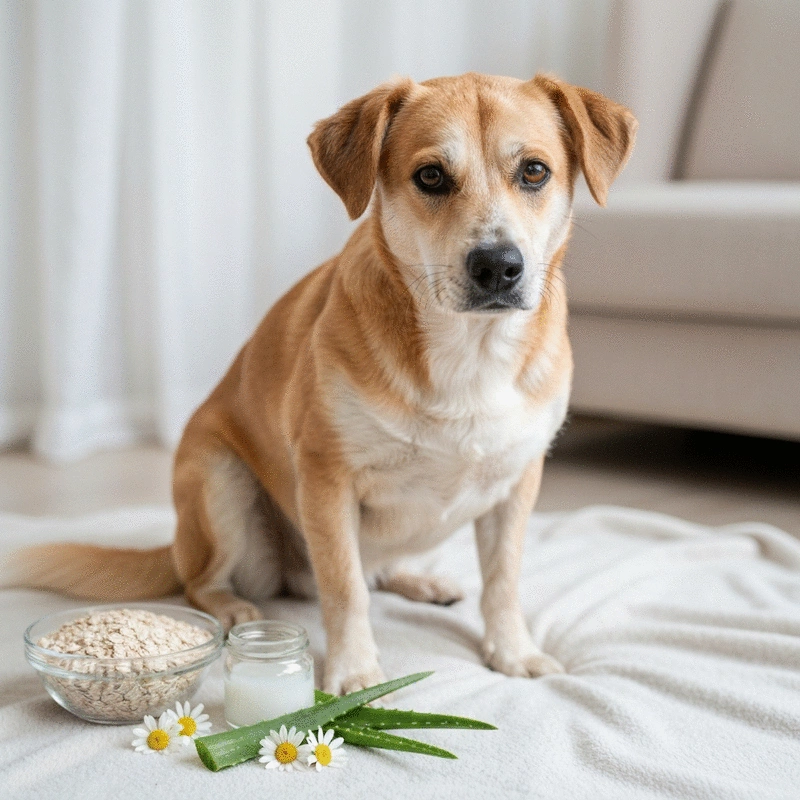
Have you ever wondered how to keep your furry friend comfortable and free from skin issues? Understanding dog skin irritation is essential for every pet owner who wants to ensure their pup's happiness and health.
What You Will Learn
Recognize common symptoms of skin irritation, such as excessive scratching, redness, and hair loss.
Identify potential triggers for skin issues, including allergies, diet, and environmental factors.
Explore effective natural remedies like oatmeal baths, coconut oil, and aloe vera to soothe irritated skin.
Implement a consistent skincare routine to enhance your dog's well-being and prevent future irritations.
Dog Skin Irritation: Symptoms, Triggers, and Natural Remedies
Understanding your dog's skin health is crucial for their well-being. This visual highlights common symptoms of irritation, potential triggers, and effective natural remedies.
When it comes to our furry friends, skin irritation can be a common concern that many dog owners face. At Canine Wash Wisdom, I’ve seen how distressing it can be for both pets and their owners when a dog is uncomfortable. Identifying the signs of skin irritation early on is crucial for effective treatment and relief. Let’s dive into some common symptoms that might indicate your pup is experiencing discomfort. For more in-depth guidance, check out our article on dog bathing tips for beginners.
Common Symptoms of Skin Irritation in Dogs
Excessive scratching or licking
Redness or inflammation on the skin
Rash or dry patches
Hair loss or thinning fur
Unpleasant odor from the skin
Paying attention to these symptoms can help you determine if your dog needs a little extra care. For instance, if you notice your dog scratching more than usual, it could signal an underlying issue. Remember, early detection can lead to quicker relief and happier pups!
Identifying Possible Triggers: Allergies, Diet, and Environment
Understanding the potential triggers for skin irritation is key to preventing further issues. Common causes often include environmental factors, dietary choices, and allergies. It's essential to consider what might be affecting your dog's skin health so we can tackle the root of the problem together. For practical solutions, explore our guide on home remedies for dog skin issues.
Allergies: Pollen, dust mites, and certain foods can all trigger allergic reactions in dogs.
Diet: A poor diet lacking essential nutrients may contribute to skin issues.
Environment: Exposure to harsh chemicals or irritants in your dog's surroundings can lead to irritations.
By monitoring your dog's behavior and environment, you can help pinpoint what might be causing their skin issues. At Canine Wash Wisdom, I believe in empowering dog owners with knowledge to make informed decisions that benefit their beloved pets!
Pro Tip
Did you know? Regularly checking your dog's skin and coat can help you catch potential issues early! Make it a part of your routine to inspect their skin during grooming sessions. Look for any unusual bumps, redness, or irritation, and consult your vet if you notice any changes. Early intervention can lead to a happier, healthier pup!
Summarizing Natural Remedies for Dog Skin Irritation
As a passionate dog care advocate, I’ve seen firsthand how effective natural remedies can be in alleviating skin irritation in our furry friends. From soothing oatmeal baths to the healing powers of aloe vera, these remedies not only provide relief but also promote overall skin health. Here are some key takeaways and benefits to help you manage your dog's skin issues effectively.
Oatmeal Baths: These gentle soaks help relieve itching and soothe inflamed skin.
Coconut Oil: A moisturizer that hydrates while also offering antibacterial properties.
Aloe Vera: Known for its healing qualities, it can soothe and calm irritated areas.
Apple Cider Vinegar: This rinse can help balance your dog’s skin pH and fight infections.
Herbal Teas: Chamomile and green tea provide anti-inflammatory benefits.
By understanding these remedies, you can create a nurturing environment for your dog’s skin health! Remember, it's essential to monitor your dog's response to any new treatment to ensure it works best for them.
Building a Healthy Routine for Your Dog's Skin Care
Establishing a consistent skin care routine can significantly enhance your dog's well-being. Start by incorporating regular baths tailored to your dog's specific coat type and skin sensitivity. For example, using oatmeal baths or gentle shampoos can help keep their skin clean and moisturized.
Brush your dog’s coat regularly to remove loose fur and dander.
Incorporate natural ingredients like coconut oil into their diet for enhanced skin health.
Utilize seasonal adjustments to their grooming routine, especially during allergy seasons.
Keep an eye on their environment for potential irritants like harsh chemicals or allergens.
Creating a healthy skin care routine not only prevents irritation but also strengthens the bond you share with your dog. Just like we enjoy a relaxing spa day, our furry friends appreciate a little pampering too! To ensure you're using the right tools, consider our guide on must-have dog grooming tools.
Frequently Asked Questions About Dog Skin Irritation
Q: What are the most common signs of skin irritation in dogs?
A: Common signs include excessive scratching or licking, redness, inflammation, rashes, dry patches, hair loss or thinning fur, and an unpleasant odor from the skin.
Q: What typically causes dog skin irritation?
A: Skin irritation can be caused by allergies (pollen, dust mites, food), an imbalanced diet lacking essential nutrients, or environmental factors such as harsh chemicals and irritants.
Q: What natural remedies can I use to soothe my dog's irritated skin?
A: Effective natural remedies include oatmeal baths to relieve itching, coconut oil for moisturizing and antibacterial properties, aloe vera to soothe irritated areas, apple cider vinegar to balance skin pH, and herbal teas (like chamomile or green tea) for anti-inflammatory benefits.
Q: How can I prevent future skin irritations for my dog?
A: Prevention involves maintaining a consistent skincare routine, including regular grooming and appropriate bathing, incorporating natural ingredients into their diet, making seasonal adjustments to grooming, and monitoring their environment for potential irritants.
Engaging with Your Community: Share Your Experiences
Your experiences as dog owners are invaluable! At Canine Wash Wisdom, we believe in the power of community and sharing insights. I invite you to share your personal stories or successes with natural remedies for dog skin irritation. Your tales can inspire and guide others facing similar challenges.
Inviting Reader Testimonials and Personal Stories
Have you found a specific home remedy that worked wonders for your dog? Maybe a unique approach that made bath time enjoyable? I’d love to hear your testimonials and share them with our community. Your input can provide hope and practical advice to fellow dog owners navigating skin issues.
Encouraging Questions and Ongoing Discussions
Let’s keep the conversation going! I encourage you to ask questions or seek clarifications about any topics related to dog skin care. Whether it’s about specific remedies, dietary choices, or grooming techniques, feel free to reach out. Together, we can create a space where dog owners feel empowered and informed about caring for their pets!
Recap of Key Points
Here is a quick recap of the important points discussed in the article:
Watch for common symptoms of skin irritation in dogs: excessive scratching, redness, rash, hair loss, and unpleasant odor.
Identify possible triggers for skin irritation, including allergies, diet, and environmental factors.
Utilize natural remedies such as oatmeal baths, coconut oil, aloe vera, apple cider vinegar, and herbal teas for relief.
Establish a healthy skincare routine by regular grooming, tailored baths, and monitoring the environment for irritants.
Engage with the community by sharing personal experiences and remedies to help others with similar challenges.
Clara H. Thompson
Clara H. Thompson is a passionate dog care advocate with over a decade of experience in pet grooming and hygiene. With a strong background in animal care and a love for dogs of all breeds, Clara dedicates her expertise to empowering fellow dog owners with practical tips and evidence-based guidance. Her mission is to promote the health and happiness of dogs through effective bathing and grooming routines.

Popular Posts
Natural Remedies for Dog Itching
Have you ever wondered how to keep your furry friend comfortable and free from skin issues? Understa
Sensitive Skin Dog Shampoo Guide
What if a simple change in your dog’s grooming routine could lead to significant improvements in t
Home Dog Bathing Routine Tips
What if maintaining your dog's hygiene could enhance your bond with them? A consistent bathing routi
Sensitive Skin Dog Shampoos Guide
What if your beloved dog could communicate their discomfort? Recognizing sensitive skin signs can be
Welcome to Canine Wash Wisdom
Canine Wash Wisdom is dedicated to empowering dog owners with essential insights and practical guidance on bathing, grooming, and maintaining their pets' coats. Our mission is to demystify dog hygiene and equip you with actionable tips for a happy, healthy, and clean canine companion.
Start your grooming session by gathering all essentials: dog-specific shampoo, brushes, and plenty of treats. Preparation makes for a stress-free bath!
Don’t underestimate the power of positive reinforcement. Reward your pup with treats and praise during and after grooming to build positive associations!
Utilize warm, not hot, water for baths. Lukewarm water is much more comfortable for your dog and helps prevent skin irritation.
Ensure your dog's ears are protected during baths. Cotton balls gently placed in the ear canals can prevent water from entering and causing infections.
Focus on thoroughly rinsing out all shampoo. Residue can lead to skin irritation and dull coats, so rinse until the water runs clear!
Leverage the right brush for your dog's coat type. A slicker brush works wonders for detangling, while a deshedding tool can reduce loose fur.
Create content with search intent in mind. Understanding what your audience is looking for can guide your strategy.
Regularly update your content. Fresh and updated posts signal to search engines that your site is active and relevant.
Use descriptive and user-friendly URLs. Clean URLs improve SEO and provide clarity for your audience.
Incorporate social sharing buttons. They make it easy for readers to share your content, increasing its visibility and reach.
Implement schema markup. Structured data helps search engines understand your content and improves rich snippet visibility.
Optimize for voice search. Use natural language and question-based keywords to align with voice query trends.
Encourage reviews on Google and other platforms. Positive reviews enhance your online reputation and local SEO.
Monitor and improve your page speed. A fast-loading site improves user satisfaction and search engine rankings.
Include a clear call-to-action in every post. This boosts engagement and guides readers to take the next step towards mastering their DIY SEO!