Short-haired dogs: Every 1-2 weeks
Grooming Tools for Healthy Dog Skin
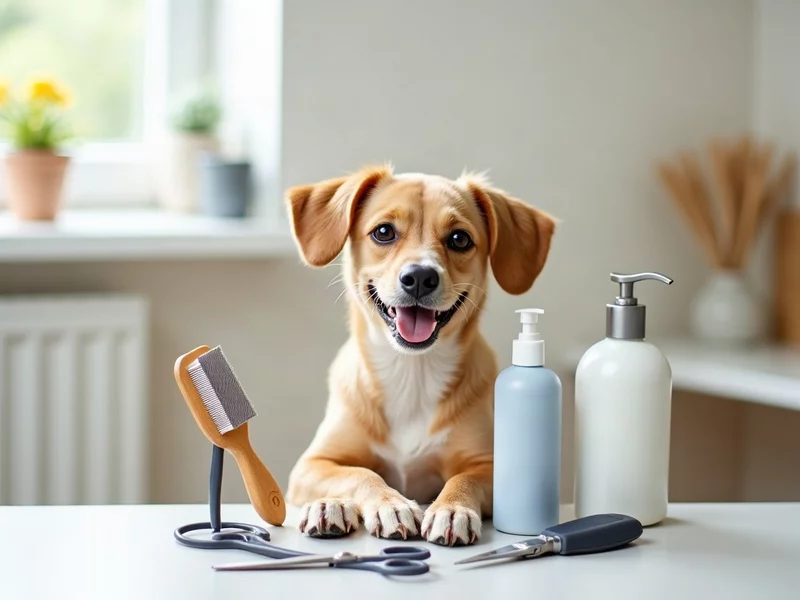
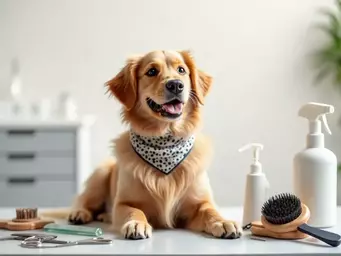
What if your dog's grooming routine could significantly enhance their skin health? Regular grooming not only keeps your furry friend looking good but also plays a crucial role in maintaining their overall well-being. Let's explore the essential insights that can help every dog owner ensure their pet's skin is healthy and vibrant!
What You Will Learn
- Regular grooming is key to identifying skin problems early, enhancing your dog's comfort.
- Choosing the right grooming tools tailored to your dog's coat type can prevent skin irritations.
- Establishing a consistent grooming routine reduces stress and fosters a stronger bond between you and your dog.
- Being proactive about skin health helps in managing common issues like allergies and infections effectively.
Optimizing Dog Skin Health: A Grooming Guide
Maintaining your dog's skin health is paramount for their comfort and overall well-being. This guide highlights key areas, from grooming frequency to essential tools, ensuring your canine companion stays happy and healthy. For more detailed information on specific tools, check out our guide on must-have dog grooming tools.
Grooming Frequency by Coat Type
Long-haired dogs: At least once a week
Curly-haired breeds: Every 2-4 weeks
Double-coated dogs: Every 4-6 weeks
Essential Grooming Tools
Slicker Brush: Best for tangles & mats
Pin Brush: Ideal for long-haired breeds
Deshedding Tool: Manages shedding
Dog Clippers: Safe fur trimming
Rubber Curry Comb: Short coats & massage
Understanding the Importance of Dog Skin Health
As a dog care advocate, I've seen firsthand how crucial skin health is for our furry friends. Just like us, dogs can suffer from various skin conditions that not only affect their comfort but also their overall well-being. Effective grooming plays a vital role in maintaining healthy skin, so let's dive into why it's essential!
Regular grooming helps to identify early signs of skin issues, promotes better hygiene, and enhances the bond between you and your pet. It’s not just about having a clean coat; it’s about ensuring your dog feels good inside and out! If you're new to dog bathing, these dog bathing tips for beginners can help you get started.
The Connection Between Grooming Tools and Skin Conditions
The tools we choose for grooming have a significant impact on our dogs' skin health. Using the right tools can prevent a multitude of issues, while the wrong ones might exacerbate problems. Here’s what to consider:
- Brush Quality: A good brush can remove loose fur and dirt without irritating the skin.
- Type of Clipper: A clipper that's too sharp can cause nicks and cuts.
- Shampoo Selection: Dog-specific shampoos are formulated to maintain skin health.
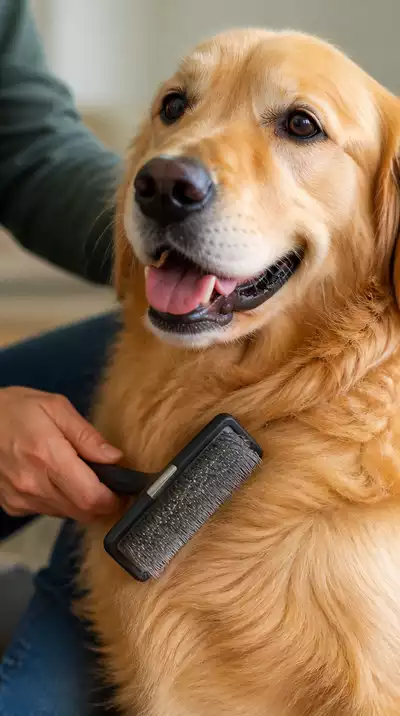
By selecting appropriate grooming tools, you help create a routine that nurtures your dog’s skin rather than harming it. I always emphasize the importance of quality grooming gear that suits your dog's specific needs.
Common Skin Issues in Dogs and Their Causes
Understanding common dog skin issues is essential for any pet owner. Some of the most prevalent conditions include allergies and infections, which can be uncomfortable for our canine companions. Let's take a closer look!
Skin Allergies and Their Impact on Dog Skin Health
Skin allergies can manifest in various ways, including itching, redness, and hot spots. They might be triggered by food, environmental factors, or even certain grooming products. Addressing these allergies promptly can prevent further complications and keep your dog comfortable.
To manage allergies effectively, consider working with your veterinarian to identify triggers and establish a tailored grooming routine. This is where Canine Wash Wisdom can support you with tips and guidance!
Common Dog Skin Diseases to Watch For
It’s also important to stay vigilant for diseases like dermatitis, fungal infections, and parasites. Each of these conditions requires different approaches for treatment and prevention:
- Dermatitis: Often caused by allergens, it requires special shampoos and possibly medications.
- Fungal Infections: These can lead to severe itching and are often treated with antifungal medications.
- Parasites: Fleas and ticks can cause skin irritation and should be managed with preventative treatments.
Keeping an eye on your dog's skin condition will allow you to act quickly if any issues arise. Remember, being proactive about skin health is essential to your dog's overall happiness!
Pro Tip
Did you know? Regularly checking your dog’s skin for lumps, bumps, or unusual irritations during grooming can help catch potential issues early. Make it a habit to inspect your dog's skin closely, especially in hard-to-see areas like under the legs and around the ears. This proactive approach can significantly contribute to your dog's overall skin health and comfort!
Summarizing Key Takeaways for Optimal Dog Skin Health
Ensuring your dog's skin health is an essential part of their overall well-being. At Canine Wash Wisdom, we believe that consistent grooming is key to keeping your furry friend comfortable and happy. Regular grooming not only helps to prevent skin issues but also strengthens the bond between you and your dog!
Here are some important takeaways to remember when it comes to your dog's skin health:
- Regular grooming helps identify skin problems early.
- Using the right tools tailored to your dog’s coat type is crucial.
- Establishing a grooming routine can reduce stress for both you and your pup.
By following these principles, you can promote a healthier coat and skin for your beloved dog, making grooming a more enjoyable experience for both of you!
Why Consistent Grooming Matters
Regular grooming is not just about aesthetics; it's about maintaining your dog's skin health and preventing underlying issues. Grooming helps remove dirt, debris, and loose fur, which can lead to skin irritations if left unattended. Furthermore, it allows you to spot potential problems, like lumps or infections, early on.
Have you ever noticed how much more relaxed your dog feels after a good grooming session? By making this a routine part of your care, you can foster a sense of security and trust in your dog. Consistency is key, so try to establish a schedule that works for both of you!
Integrating the Right Tools for Your Dog's Needs
Having the correct grooming tools is essential to achieving the best results for your dog’s skin health. Using tools specifically designed for your dog’s coat type can make a significant difference in their grooming experience. Here’s a quick reference for some essential grooming tools:
- Slicker Brush: Great for removing tangles and mats.
- Pin Brush: Ideal for long-haired breeds.
- Deshedding Tool: Helps manage shedding and promotes healthier skin.
- Dog Clippers: Useful for trimming fur safely.
- Rubber Curry Comb: Perfect for short coats and gentle massaging.
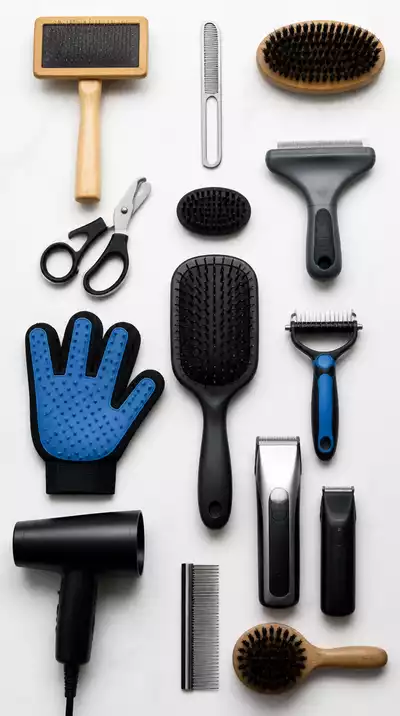
Integrating these tools into your grooming routine not only enhances your dog's comfort but also helps maintain a clean and healthy coat! Learn more about selecting the right dog grooming brush for your furry friend.
Encouraging Ongoing Care and Maintenance
Creating a Regular Grooming Schedule: Frequency and Best Practices
To keep your dog's skin in the best condition, it’s essential to set up a regular grooming schedule. Depending on their coat type and lifestyle, here are some general guidelines:
- Short-haired dogs: Every 1-2 weeks.
- Long-haired dogs: At least once a week or more often if needed.
- Curly-haired breeds: Every 2-4 weeks to prevent matting.
- Double-coated dogs: Every 4-6 weeks for proper care.
Establishing this routine can help you stay on top of your pet's grooming needs and ensure they remain healthy and happy.
Resources for Further Learning and Support
If you're looking to deepen your knowledge about dog grooming, there are plenty of resources available. Online tutorials, grooming blogs, and forums can provide valuable insights and tips. I often recommend checking out reputable grooming websites or joining local pet care communities.
Don’t hesitate to explore these avenues to enhance your skills and knowledge. As a dog care advocate, it warms my heart to see fellow dog owners empowered with the right information! For more insights into managing common skin issues, particularly for sensitive dogs, explore our resources on gentle skin care for sensitive dogs.
Exploring Grooming Workshops and Professional Groomer Insights
Sometimes, the best way to learn is through hands-on experience! Consider attending grooming workshops or classes offered in your area. These workshops can provide practical insights and tips from experienced groomers.
Additionally, connecting with professional groomers can be invaluable. They can guide you on specific techniques and tools that can make a significant impact on your dog's grooming routine. Remember, every dog is unique, and learning from the experts can help you cater to your furry friend’s specific needs.
Recap of Key Points
Here is a quick recap of the important points discussed in the article:
- Regular grooming helps identify skin problems early.
- Using the right grooming tools tailored to your dog’s coat type is crucial.
- Establishing a consistent grooming routine enhances your dog's comfort and reduces stress.
- Address skin allergies promptly to prevent further complications.
- Stay vigilant for common skin diseases like dermatitis and fungal infections.
- Create a grooming schedule based on your dog's coat type for optimal care.
Frequently Asked Questions About Dog Skin Health and Grooming
- Q1: How often should I groom my dog to ensure good skin health?
- A1: Grooming frequency depends on your dog's coat type. Short-haired dogs generally need grooming every 1-2 weeks, long-haired dogs at least once a week, curly-haired breeds every 2-4 weeks, and double-coated dogs every 4-6 weeks.
- Q2: What grooming tools are essential for maintaining my dog's skin health?
- A2: Essential tools include a slicker brush for tangles, a pin brush for long-haired breeds, a deshedding tool, dog clippers for safe trimming, and a rubber curry comb for short coats and massage.
- Q3: How does grooming help identify skin problems early?
- A3: Regular grooming involves close inspection of your dog's skin, allowing you to notice any unusual lumps, bumps, redness, irritations, or changes in their coat early on, which can be crucial for timely treatment.
- Q4: What are common skin issues in dogs, and how are they caused?
- A4: Common issues include skin allergies (triggered by food, environment, or products), dermatitis (often allergen-related), fungal infections (leading to itching), and parasites like fleas and ticks (causing irritation).
- Q5: Why is selecting the right shampoo important for my dog's skin?
- A5: Dog-specific shampoos are formulated to maintain the natural pH balance of your dog's skin, preventing dryness, irritation, and other issues that human shampoos or harsh products might cause.

Clara H. Thompson
Clara H. Thompson is a passionate dog care advocate with over a decade of experience in pet grooming and hygiene. With a strong background in animal care and a love for dogs of all breeds, Clara dedicates her expertise to empowering fellow dog owners with practical tips and evidence-based guidance. Her mission is to promote the health and happiness of dogs through effective bathing and grooming routines.
Popular Posts
Grooming Tools for Healthy Dog Skin
![Grooming Tools for Healthy Dog Skin]() What if your dog's grooming routine could significantly enhance their skin health? Regular grooming
 What if your dog's grooming routine could significantly enhance their skin health? Regular grooming
DIY Dog Grooming Tool Ideas
![DIY Dog Grooming Tool Ideas]() Have you ever considered how a simple grooming session could transform your relationship with your d
 Have you ever considered how a simple grooming session could transform your relationship with your d
Calming Bath Time for Dogs
![Calming Bath Time for Dogs]() Imagine a world where bath time is no longer a dreaded chore, but a delightful bonding experience be
 Imagine a world where bath time is no longer a dreaded chore, but a delightful bonding experience be
Preventing and Treating Dog Matting
![Preventing and Treating Dog Matting]() Have you ever wondered how your dog's grooming habits affect their health? Understanding the connect
 Have you ever wondered how your dog's grooming habits affect their health? Understanding the connect
