Problematic Effects of Matted Fur
- Skin Infections (trapped moisture, dirt)
- Discomfort & Pain (pulling on skin)
- Hygiene Issues (odors, difficult cleaning)
As a dog owner, understanding the importance of managing your pup's coat can transform grooming from a chore into a rewarding experience. Here are some essential insights that will enhance your dog's well-being and make grooming a positive bonding time.
Delve into the key aspects of managing matted fur in dogs, from common problems and susceptible breeds to stress-reduction techniques and when to seek professional grooming assistance.
As dog owners, we adore our furry companions, but let’s face it—matted fur can be a real challenge! Managing tangles is essential for the health and happiness of our dogs. If you frequently notice your pup's lovely coat becoming knotted, it’s time to take a closer look at the reasons behind those mats and the impact they can have.
Aside from being unsightly, matted fur can lead to various problems, including skin irritations and infections. If left untreated, mats can pull on the skin, causing discomfort or pain for your dog. So, understanding the significance of managing matted fur isn’t just about aesthetics; it’s crucial for your pup’s well-being! For more on maintaining a healthy coat, check out our guide to understanding breed-specific coat care.
When fur becomes matted, it traps dirt, moisture, and even parasites close to the skin. This can lead to serious issues, such as:
It’s clear that addressing matted fur is more than just a grooming task; it’s a health concern. By staying vigilant and managing your dog's coat, you can help prevent these issues before they escalate.
Grooming can be a stressful experience for many dogs. Stress during grooming can lead to negative associations with bath time and grooming, making it harder for you in the long run. Anxiety can manifest in various ways, including excessive barking, trembling, or even aggression in some cases.
Understanding your dog's body language is crucial. If your pup is showing signs of anxiety, consider taking it slow and using positive reinforcement to create a more peaceful experience. Remember, grooming should be a bonding time rather than a stressful chore!
Some dog breeds are notorious for their tendency to develop mats due to their coat types. Here are a few breeds you might want to pay extra attention to:
If you have one of these breeds, consider establishing a regular grooming routine to keep their coats healthy. A little proactive care goes a long way!
It’s essential to watch for signs that indicate your dog may be experiencing skin discomfort due to mats. Here are some symptoms to look out for:
By being observant and recognizing these signs early, you can ensure your dog receives the care they need. Always remember, dogs communicate their discomfort in various ways, and it’s up to us to listen! For more help with skin issues, explore home remedies for dog skin issues.
To effectively manage your dog's coat and prevent matting, consider integrating a weekly brushing routine into your schedule. Regularly brushing not only removes loose fur and debris but also helps distribute natural oils, promoting a healthy and shiny coat. Investing in a quality slicker brush tailored to your dog's fur type can make all the difference in preventing mats and keeping your furry friend comfortable!
Here are some common questions about managing matted fur and ensuring a positive grooming experience for your dog.
A1: Matted fur can lead to serious health issues such as skin infections (due to trapped moisture and dirt), discomfort and pain from the fur pulling on the skin, and hygiene issues that can result in foul odors and make proper cleaning difficult.
A2: Signs of grooming stress include excessive barking, trembling or shaking, and in some cases, aggression. Paying attention to these body language cues can help you adjust your grooming approach to make it more comfortable for your dog.
A3: Breeds with curly or long, fine coats are particularly prone to matting. Examples include Poodles (curly coats), Shih Tzus (long fur), and Yorkshire Terriers (fine, silky hair). These breeds require consistent and proactive grooming routines.
A4: If you observe redness, inflammation, excessive scratching or biting, or a foul odor, it's crucial to address these signs promptly. These indicate discomfort or potential infection. It may be time to seek professional grooming or veterinary advice to ensure your dog receives appropriate care.
A5: To make bath time more comfortable, try using short grooming sessions, introducing calming scents like lavender, playing soothing music, and offering treats and positive reinforcement. Creating a calm and secure environment is key to a positive experience.
A6: You should seek professional grooming assistance when mats are severe or numerous, if there's skin irritation or redness beneath the mats, or if your dog refuses to cooperate with home grooming attempts. Professionals have the tools and expertise to safely remove mats without causing injury.
Grooming can be a stressful experience for many dogs, but there are effective ways to help them feel comfortable and secure. By incorporating stress-reduction techniques, you can transform bath time into a positive experience for both you and your furry friend. Let's explore some practical strategies to ensure your dog feels at ease during grooming sessions!
First and foremost, it's essential to establish a routine that your dog can anticipate. Regular grooming not only maintains your dog's coat but also builds familiarity and trust between you and your pet. Remember, the goal is to create a calm atmosphere where your dog feels safe and relaxed.
Here are some stress-reduction techniques you can implement to make bath time as enjoyable as possible:
By using these techniques, you can significantly reduce anxiety and help your dog view grooming as a rewarding experience.
Positive reinforcement is a powerful tool when it comes to grooming. Whenever your dog remains calm or behaves well during grooming, be sure to reward them with a treat or praise. This method encourages your dog to associate grooming with pleasant experiences, making them more likely to cooperate in future sessions. Remember, patience is key—don't rush the process!
Incorporating breaks during grooming can also be beneficial. If your dog seems overwhelmed, take a short pause, give them a little space, and then resume when they appear more relaxed. For detailed advice on creating a positive routine, check out our guide on establishing a home grooming routine.
Creating a serene grooming environment can make a world of difference. Here are some tips to establish that calming space:
When your dog feels secure in a calm setting, they’ll be less likely to resist the grooming process. Remember, dogs are sensitive to their surroundings, so a peaceful atmosphere can enhance their comfort significantly!
Despite our best efforts, there may come a time when we encounter severe mats that require professional intervention. Understanding when it’s necessary to seek help can prevent further discomfort for your pet. As a dog care advocate, I often emphasize that knowing your limits is crucial for your dog’s well-being.
If you notice that mats are too tight or numerous to handle on your own, it may be time to consult a professional groomer. Signs that professional help is needed include:
In such cases, a professional groomer can safely remove mats without causing harm to your dog’s skin. Remember, we love our pets, and sometimes the best choice is to rely on expert care!
While many of us love the idea of DIY grooming, severe tangles can lead to serious issues if not handled properly. Attempting to cut out mats can result in accidental cuts or nicks to the skin. It’s essential to recognize that dog grooming requires skill and knowledge. If you're unsure, it’s always better to consult a professional rather than risking your furry friend's safety.
Engaging a professional groomer can offer numerous benefits that go beyond just detangling fur. Professional groomers are trained to:
When you choose to seek professional help, you’re not only ensuring your dog’s hygiene but also enhancing their overall grooming experience. At Canine Wash Wisdom, we believe in the power of expert care when it’s needed!
As we wrap up this section, remember that providing comfort during grooming is essential for a successful experience. With the right techniques and a calm environment, you can make bath time a bonding opportunity rather than a stressful chore! Follow these best practices for maintaining a matt-free coat, and your dog will thank you with wagging tails and happy barks.
In summary, keep these techniques in mind: assess the severity of tangles, use positive reinforcement, create a calm environment, and know when to seek help. These practices not only benefit the grooming process but also strengthen your bond with your beloved pet!
Don’t forget the importance of regular grooming! Consistency is key to preventing mats and tangles. Plan out a grooming schedule that suits your dog’s needs and stick to it. Your efforts in maintaining their coat will lead to a happier, healthier dog!
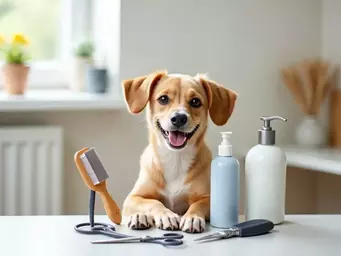
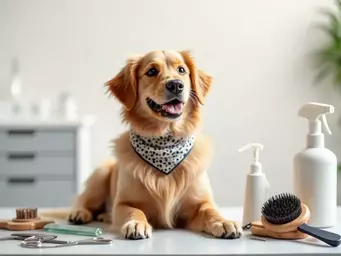
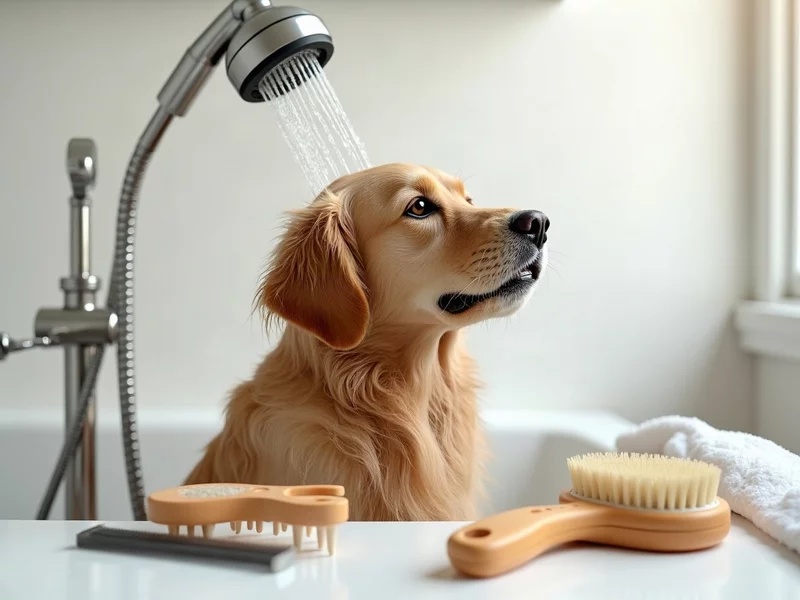
Lastly, invest in some quality grooming tools and products. Some recommendations include:
With the right tools at your disposal, you’ll be well-equipped to tackle grooming challenges head-on. Remember, at Canine Wash Wisdom, we’re here to support you in making your grooming experience as smooth and enjoyable as possible! Learn more about selecting the right tools with our guide to selecting the right dog grooming brush.
Here is a quick recap of the important points discussed in the article:
Clara H. Thompson is a passionate dog care advocate with over a decade of experience in pet grooming and hygiene. With a strong background in animal care and a love for dogs of all breeds, Clara dedicates her expertise to empowering fellow dog owners with practical tips and evidence-based guidance. Her mission is to promote the health and happiness of dogs through effective bathing and grooming routines.