Short & Smooth Coats (e.g., Beagles, Boxers)
Generally low maintenance but can be prone to skin allergies, leading to itchiness and discomfort. Requires regular visual checks.
Low Maintenance
As a dog owner, understanding your furry friend's coat can make all the difference in their grooming routine. Did you know that different coat types require different care methods? Let's delve into the essentials to ensure your pet looks and feels their best!
Understanding your dog's coat type is crucial for effective grooming and maintaining optimal skin health. The visual below highlights the primary coat classifications and their potential impact on skin conditions. For dog bathing tips for beginners, check out our comprehensive guide.
Generally low maintenance but can be prone to skin allergies, leading to itchiness and discomfort. Requires regular visual checks.
High risk of dermatitis if grooming is irregular. Prone to tangling and matting, requiring frequent brushing to prevent skin irritation.
Can retain moisture, leading to hot spots if not thoroughly dried and brushed. Requires diligent care, especially during shedding seasons.
Prone to severe matting and skin irritation if not regularly clipped or hand-stripped. Requires professional grooming or consistent home care.
As a dog care advocate, I've learned that understanding dog coat types is essential for effective grooming. Each coat type—whether it's short and smooth, long and silky, double-coated, or curly and wiry—requires specific care routines to maintain both skin and coat health. This knowledge helps us, as dog owners, tailor our grooming practices to better meet our furry friends' unique needs!
In this section, we will explore the different coat classifications and how they influence skin health and care requirements. By understanding these factors, you'll be empowered to provide the best care for your beloved pets!
Dog coats come in various classifications, and knowing these can significantly impact your grooming approach. Here's a quick breakdown:
Each coat type has its distinct grooming needs, and identifying your dog’s coat is the first step in providing the right care! For more information on selecting the right dog grooming brush, read our guide.
Beyond appearance, different coat types have unique implications for skin health. For instance, flat-coated breeds may be more prone to skin allergies, while double coats can retain moisture and lead to conditions like hot spots if not managed appropriately.
By understanding these issues, you can tailor your grooming practices to help prevent skin problems, ensuring your dog stays happy and healthy!
Environmental factors play a big role in our dogs' skin and coat health! Changes in weather, humidity, and living conditions can significantly affect how we care for our pets.
By recognizing how these factors influence coat maintenance, you can better prepare for the specific needs of your pup throughout the year!
What challenges have you faced when grooming your dog? Share your thoughts below:
As we wrap up our discussion on dog coat and skin care, it's essential to remember that each dog is unique and requires tailored grooming practices. Here are some key tips to keep your furry friend looking and feeling their best:
By following these practices, you can enhance your dog's coat health and ensure their skin stays healthy. Remember, grooming isn’t just a chore—it’s a wonderful opportunity to bond with your dog!
Now that you've learned about effective grooming techniques, it's time to take action! Start by assessing your dog's coat type and skin health. Consider the following steps:
Taking these steps will not only improve your dog's hygiene but also strengthen the bond you share. At Canine Wash Wisdom, I'm passionate about empowering dog owners like you to provide the best care for your pets!
While grooming at home can be incredibly rewarding, sometimes it's best to consult with professionals. Here are a few reasons why:
By partnering with grooming professionals, you can feel confident that your dog's coat and skin health are in expert hands. So don't hesitate—reach out to your local groomer or vet for guidance on achieving optimal grooming results! You might also find our guide on natural remedies for dog itching helpful for managing skin irritations.
Here is a quick recap of the important points discussed in the article:
Knowing your dog's coat type is crucial because different coats have unique grooming needs and predispositions to certain skin conditions. This knowledge helps you tailor your grooming routine to maintain optimal skin and coat health.
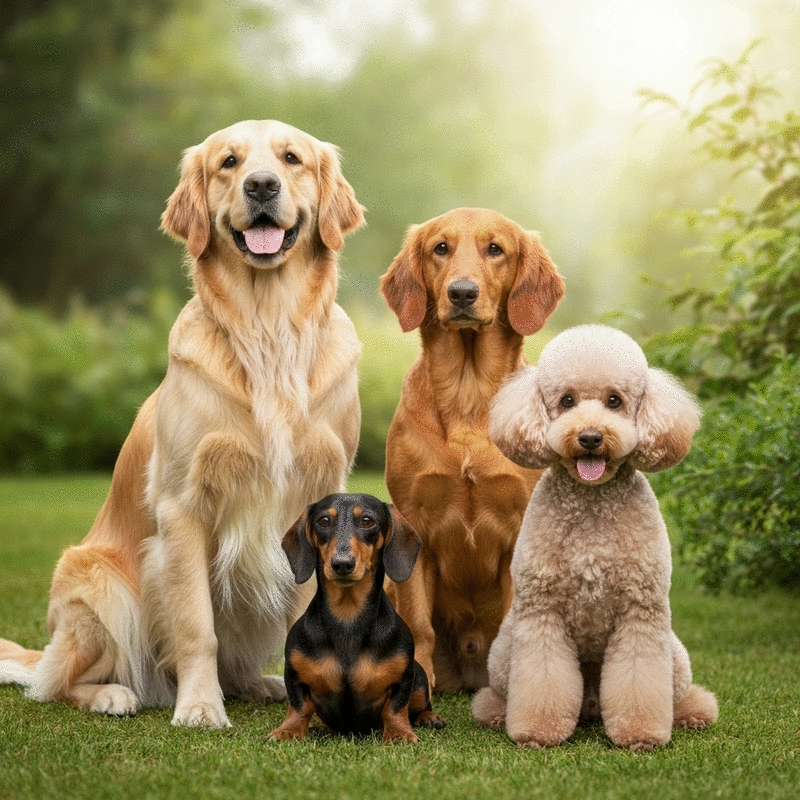
The main classifications include short and smooth (e.g., Beagles), long and silky (e.g., Afghan Hounds), double coats (e.g., Golden Retrievers), and curly and wiry coats (e.g., Poodles).
Coat types can impact skin health in various ways: short coats might be prone to allergies, long coats to dermatitis and tangling, double coats to hot spots due to moisture retention, and curly/wiry coats to severe matting and irritation.
Environmental factors like weather (dry or humid conditions), living environment (e.g., carpets causing allergies), and seasonal changes (increased shedding) can significantly affect your dog's skin and coat, requiring adjustments in grooming.
It's advisable to consult professionals for expert knowledge, access to specialized tools and techniques, and for preventative care. They can help identify and address potential skin issues early and offer tailored advice for your dog's specific needs.
Clara H. Thompson is a passionate dog care advocate with over a decade of experience in pet grooming and hygiene. With a strong background in animal care and a love for dogs of all breeds, Clara dedicates her expertise to empowering fellow dog owners with practical tips and evidence-based guidance. Her mission is to promote the health and happiness of dogs through effective bathing and grooming routines.