Selecting Brushes for Sensitive Dogs

Have you ever wondered why your dog seems to scratch more than usual? Understanding the signs of sensitive skin in dogs can significantly improve their comfort and well-being. Let’s explore some critical insights that every dog owner should know about managing skin sensitivities.
What You Will Learn
- Key symptoms of sensitive or itchy skin in dogs include frequent scratching, red patches, and excessive licking.
- Common causes of skin sensitivity involve environmental allergens, food allergies, parasites, and improper grooming techniques.
- Understanding common allergens, such as pollen and certain foods, can help you create a comfortable environment for your dog.
- Recognizing severe skin issues is crucial; signs like persistent itching and hair loss indicate a need for professional veterinary care.
- Consulting a pet dermatologist can be beneficial for managing chronic skin conditions effectively.
Understanding Dog Skin Sensitivity: Symptoms and Causes
Identifying symptoms and understanding the causes of sensitive skin in dogs is crucial for their well-being. Below is a breakdown of key indicators and common triggers. For more detailed information on caring for delicate skin, explore our guide on gentle skin care for sensitive dogs.
Symptoms of Sensitive or Itchy Skin
- • Frequent scratching or biting
- • Red or inflamed patches
- • Excessive licking (paws, etc.)
- • Dry, flaky, or scaly skin
- • Foul odors from skin/coat
Common Causes & Irritants
- • Environmental allergens (pollen, dust)
- • Food allergies (grains, dairy, proteins)
- • Parasites (fleas, ticks)
- • Improper grooming/harsh products
- • Underlying health issues (hormonal)
Understanding Sensitive Skin in Dogs: Causes and Concerns
As a dog owner, it's essential to understand that sensitive skin can be a common issue for many furry friends. Just like humans, dogs can experience discomfort from various skin conditions, which can manifest in symptoms like itching, redness, or flakiness. By being vigilant and knowledgeable about sensitive skin, we can better care for our canine companions!
In this section, we'll explore how to identify symptoms of sensitive skin, the common causes behind these issues, and how allergies and irritants play a significant role in your dog's skin health. Let’s dive into this important topic together!
Identifying Symptoms of Sensitive or Itchy Skin in Dogs
Recognizing the signs of sensitive skin is the first step in ensuring your dog's comfort. Here are some common symptoms to keep an eye out for:
- Frequent scratching or biting at the skin
- Red or inflamed patches on the skin
- Excessive licking of paws or other areas
- Dry, flaky, or scaly skin
- Foul odors emanating from the skin or coat
If you notice any of these symptoms, it may be time to reassess your dog’s grooming routine. Sometimes, a gentle grooming technique can alleviate discomfort and promote a healthier coat!
Common Causes of Skin Sensitivity and Itchiness
Understanding the underlying causes of skin sensitivity can help us better address the problem. Here are some common culprits:
- Environmental allergens, such as pollen or dust mites
- Food allergies to ingredients like grains, dairy, or specific proteins
- Parasites like fleas or ticks
- Improper grooming techniques or harsh grooming products
- Underlying health issues, such as hormonal imbalances
Noting these factors can empower you as a dog owner. By identifying potential triggers, you can tailor your approach to grooming and care to soothe their skin.

Understanding Allergies and Common Skin Irritants in Dogs
Allergies can be a significant contributor to skin issues in dogs. Just like us, dogs can have allergic reactions to various substances. Common allergens include:
- Pollens from grasses, trees, and weeds
- Dust and dust mites in the home
- Mold spores
- Certain foods or additives
- Fleas and their saliva
By understanding these allergens, we can take proactive steps to minimize exposure and create a safer, more comfortable environment for our furry friends. It might even be beneficial to consult a veterinarian for allergy testing if your pup shows persistent signs of discomfort!
The Importance of Choosing the Right Grooming Tools
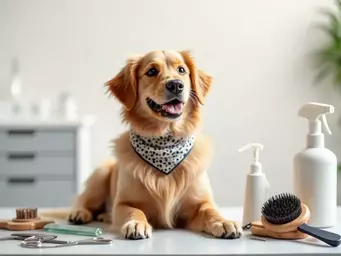
When it comes to grooming dogs with sensitive skin, choosing the right tools is crucial. Not only does this contribute to their comfort, but it also helps prevent further irritation. Let’s explore why grooming matters and how the right tools can make all the difference!
Pro Tip
Did you know? Regularly changing your dog’s grooming products can help prevent skin sensitivity. Look for hypoallergenic shampoos and conditioners that are free from harsh chemicals. This not only soothes sensitive skin but also promotes a healthier coat!
Recognizing When to Seek Veterinary Care
As a dog owner, it's essential to be aware of your furry friend’s health, especially when it comes to their skin. There are times when you might notice signs that indicate a need for professional veterinary care. Recognizing these signs early can make a huge difference in your dog's comfort and health!

Common indicators of serious skin issues might include severe itching, excessive scratching, or visible lesions. If your dog is constantly biting or licking at their skin, it’s time to take action. Let’s go over some key symptoms to watch for.
Signs of Severe Skin Issues That Require Professional Attention
- Persistent or worsening itching
- Red, inflamed skin or hot spots
- Excessive hair loss or bald patches
- Foul odor coming from the skin or ears
- Changes in behavior, such as increased irritability or restlessness
These signs can indicate that your dog may be suffering from more than just a minor skin irritation. Prompt veterinary care is crucial in addressing these concerns effectively and ensuring your pup feels better soon!
Understanding Allergies and Underlying Conditions
Many dogs struggle with allergies that can lead to sensitive skin. Common allergens include certain foods, environmental factors, and even grooming products. It can be tough for us as pet owners to pinpoint the exact cause, but that's where your vet comes in!
Allergies may trigger symptoms that mimic other skin conditions, so it’s essential to keep an open line of communication with your veterinarian. They'll help you determine if allergies are to blame or if there’s an underlying condition that needs to be addressed. To learn more about identifying and managing these issues, consider reading about when to seek dog skin help.
The Role of Pet Dermatologists in Managing Skin Conditions
If your dog’s skin issues persist or worsen despite basic treatments, consider consulting a pet dermatologist. These specialists focus solely on skin conditions and can provide advanced diagnostics and tailored treatment plans. Working with a specialist can make a world of difference in effectively managing your dog's skin health.
In summary, don’t hesitate to seek veterinary help if you notice troubling symptoms. Your dog's comfort and happiness depend on your vigilance and proactive approach to their skin health!
Frequently Asked Questions About Dog Skin Sensitivity
Q: What are the primary signs of sensitive skin in dogs?
A: Key symptoms include frequent scratching or biting, red or inflamed patches, excessive licking of paws, dry/flaky/scaly skin, and foul odors from the skin or coat.
Q: What commonly causes skin sensitivity and itchiness in dogs?
A: Common causes include environmental allergens (pollen, dust mites), food allergies (grains, dairy, certain proteins), parasites (fleas, ticks), improper grooming techniques or harsh products, and underlying health issues like hormonal imbalances.
Q: How do allergies affect a dog’s skin health?
A: Allergies can significantly contribute to skin issues, leading to symptoms like itching, redness, and inflammation. Common allergens include pollens, dust mites, mold spores, certain foods, and flea saliva.
Q: When should I seek veterinary care for my dog's skin issues?
A: You should seek professional veterinary care if you notice persistent or worsening itching, red/inflamed skin or hot spots, excessive hair loss, foul odors from the skin or ears, or changes in your dog's behavior such as increased irritability or restlessness.
Q: What is the role of a pet dermatologist?
A: A pet dermatologist specializes in animal skin conditions. They can provide advanced diagnostics and tailored treatment plans for chronic or severe skin issues that may not respond to basic treatments, significantly improving your dog’s skin health.
Recap of Key Points
Here is a quick recap of the important points discussed in the article:
- Sensitive skin in dogs can manifest as itching, redness, or flakiness, and requires careful observation.
- Common symptoms include frequent scratching, red patches, excessive licking, and foul odors from the skin.
- Identifying allergens such as environmental factors, food ingredients, and parasites is crucial for managing skin sensitivity.
- Proper grooming tools and techniques can alleviate discomfort and promote skin health. For suggestions on the best tools, check out our guide on must-have dog grooming tools.
- Seek veterinary care if severe symptoms like excessive itching, hair loss, or behavioral changes occur.

Clara H. Thompson
Clara H. Thompson is a passionate dog care advocate with over a decade of experience in pet grooming and hygiene. With a strong background in animal care and a love for dogs of all breeds, Clara dedicates her expertise to empowering fellow dog owners with practical tips and evidence-based guidance. Her mission is to promote the health and happiness of dogs through effective bathing and grooming routines.
Popular Posts
Grooming Tools for Healthy Dog Skin
![Grooming Tools for Healthy Dog Skin]() What if your dog's grooming routine could significantly enhance their skin health? Regular grooming
What if your dog's grooming routine could significantly enhance their skin health? Regular grooming
 What if your dog's grooming routine could significantly enhance their skin health? Regular grooming
DIY Dog Grooming Tool Ideas
![DIY Dog Grooming Tool Ideas]() Have you ever considered how a simple grooming session could transform your relationship with your d
Have you ever considered how a simple grooming session could transform your relationship with your d
 Have you ever considered how a simple grooming session could transform your relationship with your d
Calming Bath Time for Dogs
![Calming Bath Time for Dogs]() Imagine a world where bath time is no longer a dreaded chore, but a delightful bonding experience be
Imagine a world where bath time is no longer a dreaded chore, but a delightful bonding experience be
 Imagine a world where bath time is no longer a dreaded chore, but a delightful bonding experience be
Preventing and Treating Dog Matting
![Preventing and Treating Dog Matting]() Have you ever wondered how your dog's grooming habits affect their health? Understanding the connect
Have you ever wondered how your dog's grooming habits affect their health? Understanding the connect
 Have you ever wondered how your dog's grooming habits affect their health? Understanding the connect
