Bathing Dogs: A Simple Guide
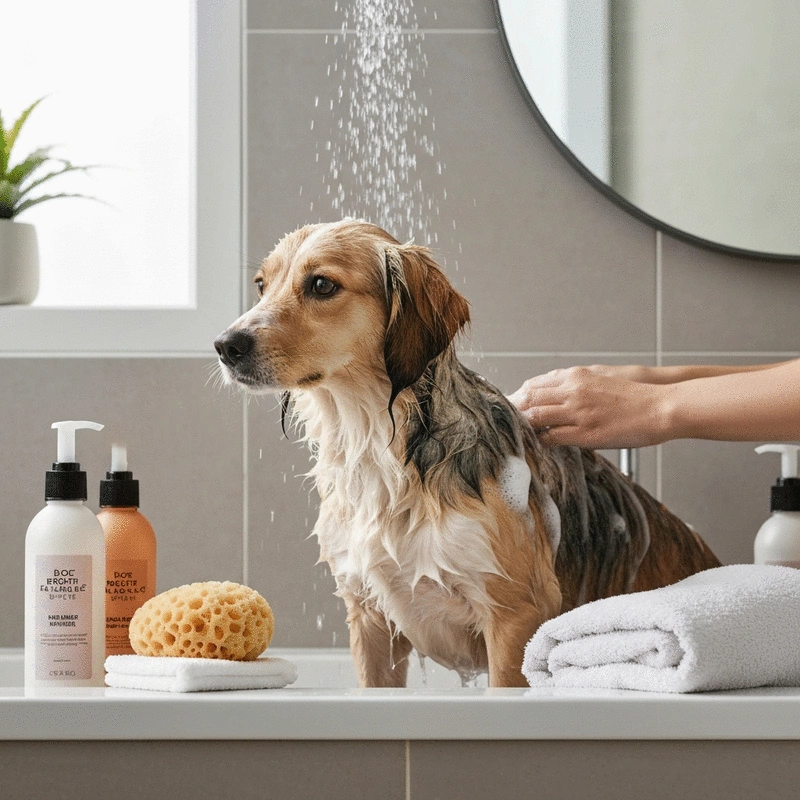
Understanding your dog's coat type is crucial for effective grooming. Each type requires different care techniques to ensure your furry friend stays clean and healthy. Ready to enhance your dog's grooming routine? Let's explore!
What You Will Learn
- Different coat types, including short, double, curly, wire, silky, and heavy coats, each require specific grooming techniques.
- Understanding your dog's coat type helps determine the right bathing frequency and grooming products to use.
- Post-bathing care involves specific drying techniques to maintain coat health, varying by coat type.
- Regular conditioning and brushing are essential to prevent matting and maintain a shiny coat, particularly for curly and long-haired breeds.
Dog Coat Types and Their Drying & Conditioning Needs
Understanding your dog's coat type is crucial for effective post-bathing care, influencing drying techniques and conditioning. Below is a comparison of common coat types and their specific needs. For more general advice on getting started, check out these dog bathing tips for beginners.
Short Coats
Characteristics: Easy to maintain, less frequent bathing needed.
Example: Dachshund, Bulldog.
Drying Technique
Microfiber towel, gentle pat dry. Dries quickly.
Conditioning Tip
Regular brushing sufficient; minimal conditioner needed.
Double Coats
Characteristics: Soft undercoat, tougher outer coat. Sheds heavily.
Example: Siberian Husky, Golden Retriever.
Drying Technique
Low-heat blow dryer, part fur with fingers to avoid matting.
Conditioning Tip
Frequent brushing, deep conditioning to manage shedding.
Curly Coats
Characteristics: Tight curls, prone to matting.
Example: Poodle, Portuguese Water Dog.
Drying Technique
Partially air dry, then use diffuser attachment on blow dryer to maintain curls.
Conditioning Tip
Specific curl-defining shampoos/conditioners, regular brushing to prevent tangles.
Wire Coats
Characteristics: Tough, coarse texture. Can be challenging to clean.
Example: Terriers.
Drying Technique
Carefully towel dry, use brush to separate hair. Avoid heat.
Conditioning Tip
Minimal conditioning to maintain texture; regular stripping/hand-plucking.
Understanding Dog Coat Types for Effective Bathing
When it comes to grooming, understanding your dog's coat type is essential! Each coat has unique characteristics that impact not just how we bathe them but also their overall health. Whether your dog has a short coat, a double coat, curly fur, or something in between, knowing these details can significantly enhance your bathing routine.
Let's dive into the different types of dog coats and their specific needs. This knowledge will help you select the right grooming techniques and products, ensuring your furry friend stays clean and comfortable!
Identifying the Different Dog Coat Types
Here's a quick overview of the various coat types you'll encounter:
- Short Coats - Easy to maintain, these coats require less frequent bathing.
- Double Coats - These breeds have a soft undercoat beneath a tougher outer coat, requiring special attention during shedding seasons.
- Curly Coats - Breeds like Poodles have tight curls that need careful washing to maintain their shape.
- Wire Coats - Often seen in terriers, these coats can be challenging to clean, requiring unique grooming techniques.
- Silky Coats - Breeds like the Yorkshire Terrier boast shiny, smooth fur that can mat easily if not cared for properly.
- Heavy Coats - Breeds with thick fur, such as Siberian Huskies, need a deep clean to remove dirt and debris.
Understanding these coat types ensures that you can tailor your grooming routine. For example, double-coated dogs may require more frequent brushing to manage shedding, while curly-coated breeds benefit from specific shampoos designed to maintain curl definition.

The Importance of Coat Type in Grooming and Bathing
Why does coat type matter? Well, different coats have varying needs when it comes to hygiene and care routines. Knowing your dog's coat type can help you:
- Choose appropriate grooming products that suit their unique fur.
- Determine the right bathing frequency to keep their coat healthy.
- Identify specific techniques to prevent matting, especially in curly and long-haired breeds.
At Canine Wash Wisdom, I emphasize how crucial it is to adjust your grooming strategy based on coat type. This not only fosters better hygiene but also improves your dog's overall well-being. When your dog feels clean and comfortable, they're happier too! Don't forget to gather your must-have dog grooming tools to make the process smoother.
How Different Dog Breeds Influence Coat Types
As a passionate dog care advocate, I've seen how breed characteristics directly impact coat traits. For example, retrievers like Golden Retrievers have thick, water-resistant coats, while breeds like the Dachshund sport short, smooth fur. Each breed's coat influences how we approach grooming:
- Retrievers - Require regular baths and thorough brushing to remove dirt from their dense coats.
- Poodles - Need specialized grooming to maintain their curly texture and prevent matting.
- Bulldogs - Short coats mean fewer baths, but they still need attention to their skin folds.
By recognizing these breed-specific needs, we can better tailor our grooming practices. This way, every dog gets the right care they deserve! So, let’s take the time to understand our furry friends and give them the love and attention they need during their grooming sessions.
Pro Tip
Did you know that the water temperature can significantly affect your dog's bathing experience? Aim for lukewarm water, which is comfortable and soothing. Hot water can dry out their skin, while cold water may make them feel uneasy. Always test the water with your wrist before starting the bath!
Post-Bathing Care for Optimal Dog Hygiene
After giving your furry friend a bath, it’s crucial to focus on post-bathing care to keep their coat healthy and clean. Different coat types require specific drying methods and maintenance routines to ensure they stay in top condition. Let’s dive into the best practices!
Best Drying Techniques for Different Coat Types
How you dry your dog after a bath can significantly impact their coat's health. Here are some effective methods based on coat types:
- Short Coats: Use a microfiber towel to gently pat the coat dry. Short-haired breeds dry quickly, so a simple towel-dry is often sufficient.
- Double Coats: A low-heat setting on a blow dryer works wonders! Use your fingers to part the fur while drying to avoid matting.
- Curly Coats: Allow your dog to air dry partially before using a diffuser attachment on a blow dryer to maintain curls.
- Wire and Silky Coats: Carefully towel dry and use a brush to help separate the hair, preventing tangles. Avoid heat completely as it can damage these delicate coats.
Each technique is designed to protect the coat's structure while ensuring your dog feels comfortable and cozy after their bath. Remember, gentle is key!
Coat Conditioning and Maintenance Tips
Once your dog is dry, it’s time to think about maintaining that beautiful coat! Regular conditioning can make a world of difference. Here are some tips:
- Regular Brushing: This helps remove loose hair, dirt, and prevents matting.
- Use a Leave-In Conditioner: Just like us, dogs benefit from extra moisture. A good leave-in conditioner can keep their coat manageable.
- Monitor for Skin Issues: Check for any dryness or irritation that may arise post-bath, especially after using new products. For advice on addressing such concerns, explore these home remedies for dog skin issues.
Taking these steps not only promotes a shiny coat but also strengthens the bond between you and your dog. It’s all about providing them with the best care!
Using Conditioners for Enhanced Coat Health
Conditioners play an essential role in dog grooming, especially after a bath. Here’s why and how to use them effectively:
- Choose the Right Conditioner: Look for breed-specific or coat-type-specific conditioners that provide targeted benefits.
- Application: Apply the conditioner after shampooing, massaging it into the coat to ensure even coverage.
- Rinse Thoroughly: Always rinse out the conditioner completely to prevent buildup that can irritate the skin.
By incorporating the right conditioners into your routine, you can enhance your dog's coat health and maintain that luxurious shine! It’s just one more way we can show love to our furry companions.
Recap of Key Points
Here is a quick recap of the important points discussed in the article:
- Understanding your dog's coat type is essential for effective bathing and grooming.
- Different coat types require tailored grooming techniques, such as the drying method and frequency of baths.
- Post-bathing care is crucial, including the use of conditioners and regular brushing to maintain coat health.
- Recognize breed-specific grooming needs for optimal hygiene and comfort.
- Gentle handling and positive reinforcement during grooming enhance the bond with your dog.
Frequently Asked Questions (FAQs)
Q: Why is it important to know my dog's coat type?
A: Knowing your dog's coat type is crucial because it dictates the specific grooming techniques, bathing frequency, and types of products required to keep their coat healthy, clean, and free from matting or skin issues.
Q: How often should I bathe my dog?
A: The bathing frequency depends on your dog's coat type and lifestyle. Short-coated dogs may need less frequent baths, while double-coated or active dogs might require more regular cleaning. Always refer to your vet or groomer's advice specific to your dog's needs.
Q: What are the best drying techniques for different coat types?
A: For short coats, a microfiber towel is usually sufficient. Double coats benefit from a low-heat blow dryer, while curly coats do well with partial air drying followed by a diffuser. Wire and silky coats should be carefully towel-dried and brushed, avoiding heat.
Q: Can I use human conditioner on my dog?
A: No, it is generally not recommended to use human conditioner on dogs. Human products are formulated for different pH levels and skin types, which can irritate a dog's skin or strip natural oils. Always use dog-specific conditioners.
Q: How can I prevent matting in long-haired or curly-coated breeds?
A: Regular brushing (daily for some breeds) is key to preventing matting. Using a leave-in conditioner and specific curl-defining shampoos/conditioners can also help. Always ensure thorough drying, as damp fur is more prone to matting.

Clara H. Thompson
Clara H. Thompson is a passionate dog care advocate with over a decade of experience in pet grooming and hygiene. With a strong background in animal care and a love for dogs of all breeds, Clara dedicates her expertise to empowering fellow dog owners with practical tips and evidence-based guidance. Her mission is to promote the health and happiness of dogs through effective bathing and grooming routines.
Popular Posts
Grooming Tools for Healthy Dog Skin
![Grooming Tools for Healthy Dog Skin]() What if your dog's grooming routine could significantly enhance their skin health? Regular grooming
What if your dog's grooming routine could significantly enhance their skin health? Regular grooming
 What if your dog's grooming routine could significantly enhance their skin health? Regular grooming
DIY Dog Grooming Tool Ideas
![DIY Dog Grooming Tool Ideas]() Have you ever considered how a simple grooming session could transform your relationship with your d
Have you ever considered how a simple grooming session could transform your relationship with your d
 Have you ever considered how a simple grooming session could transform your relationship with your d
Calming Bath Time for Dogs
![Calming Bath Time for Dogs]() Imagine a world where bath time is no longer a dreaded chore, but a delightful bonding experience be
Imagine a world where bath time is no longer a dreaded chore, but a delightful bonding experience be
 Imagine a world where bath time is no longer a dreaded chore, but a delightful bonding experience be
Preventing and Treating Dog Matting
![Preventing and Treating Dog Matting]() Have you ever wondered how your dog's grooming habits affect their health? Understanding the connect
Have you ever wondered how your dog's grooming habits affect their health? Understanding the connect
 Have you ever wondered how your dog's grooming habits affect their health? Understanding the connect
