Short-Haired Breeds
For breeds like Beagles and Boxers, minimal grooming maintains a sleek coat.
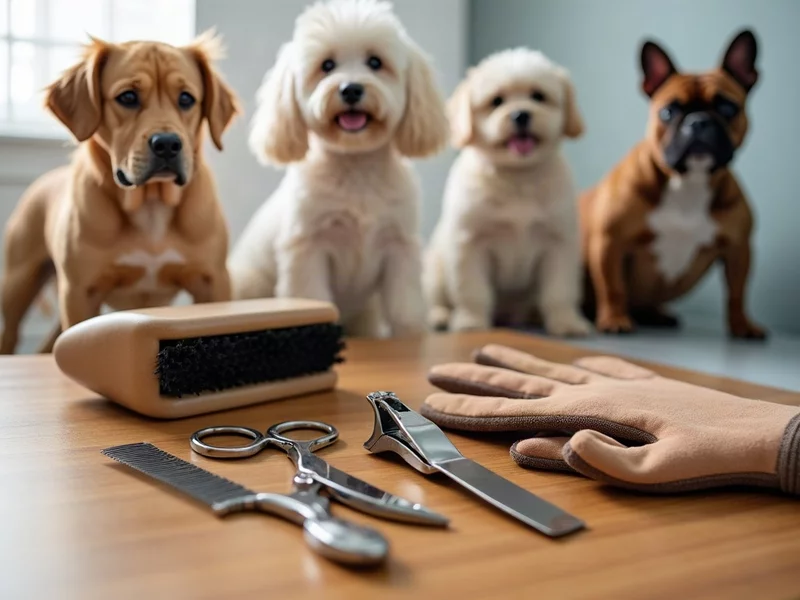
- ✓ Bristle Brushes
- ✓ Rubber Grooming Gloves
Have you ever considered how grooming can be a bonding experience between you and your dog? Understanding breed-specific grooming needs can elevate this routine into a joyful and effective practice. Let’s explore the essential takeaways that will transform your grooming sessions!
Understanding your dog's unique coat type is key to effective grooming. The right tools and consistent care not only ensure hygiene but also strengthen your bond. Below is a guide to essential grooming tools categorized by coat type. For more detailed information on selecting the best tools for your furry friend, check out our guide on must-have dog grooming tools.
For breeds like Beagles and Boxers, minimal grooming maintains a sleek coat.
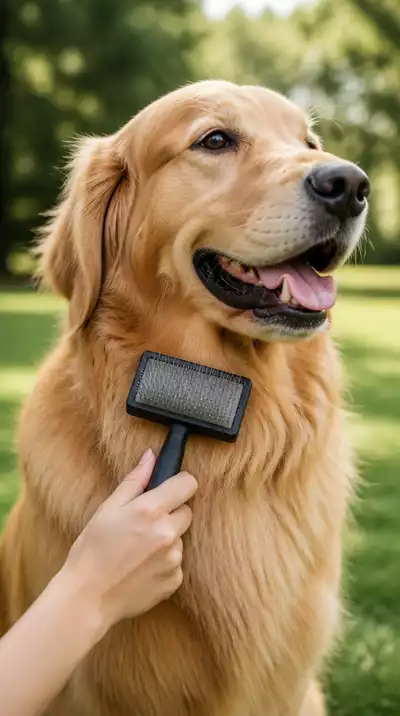
Golden Retrievers and Collies need regular care to prevent matting.
Poodles and Portuguese Water Dogs require specific attention to avoid mats.
Huskies and German Shepherds benefit from managing thick undercoats.
When it comes to grooming our furry friends, one size definitely does not fit all! Each breed has its unique grooming requirements based on their coat type, which is essential for maintaining both their hygiene and comfort. At Canine Wash Wisdom, I’ve seen firsthand how understanding these needs can transform the grooming experience into a positive bonding moment for both you and your dog. Let’s dive into the world of breed-specific grooming!
The right grooming tools are crucial for achieving optimal results. Using the wrong brush or comb can lead to discomfort for your dog and ineffective grooming. For example, a slicker brush works wonders on long-haired breeds but may not be suitable for short-haired dogs. It’s important to recognize that different coat types require different approaches! You can find a comprehensive guide on selecting the right dog grooming brush for your pet's specific needs.
By selecting the right tools, you ensure that your grooming sessions are effective, making your dog feel comfortable and happy. Remember, the goal is to maintain their coat while also building trust and a positive experience during grooming!
Understanding your dog’s coat type is the first step in creating a tailored grooming routine. Here’s a quick guide to help you identify it:
Getting to know your dog’s coat type not only helps with grooming but also enhances their overall well-being. When you groom with the right tools, your pup will look and feel their best!
Equipped with an understanding of breed-specific grooming needs, it’s time to explore the essential tools you'll need for effective grooming.
Short-haired breeds may seem low-maintenance, but they still need proper care. Using the right brushes can help remove loose hair and distribute natural oils through their coat.
When grooming short-haired breeds, keep in mind that consistency is key. Regular brushing sessions help keep their coats healthy and reduce shedding in your home!
These tools should be your go-to when grooming short-haired breeds. Here’s why:
Using these tools ensures that your dog’s short coat remains clean, healthy, and vibrant. Plus, it strengthens your bond as you spend quality time together!
For our beautiful long-haired breeds, the right tools are essential to prevent matting and tangling. Grooming should be a relaxing experience for them, not a frustrating one!
Regular grooming sessions with these tools will keep their coats looking fabulous. Plus, your long-haired pup will appreciate the extra care!
Having the right shears and de-matting tools can save you time and frustration. Here are some must-haves:
Investing in quality grooming tools not only makes the process easier but also enhances your dog's overall comfort and appearance. For more insights on how to care for these tools, read our post on caring for your dog grooming tools.
Double-coated breeds can be challenging during shedding seasons, but the right tools can make a world of difference. Managing their thick undercoats is crucial for their comfort and hygiene.
These tools will help you manage shedding effectively, ensuring your dog stays comfortable and clean. Plus, you’ll enjoy a fur-free home!
Using these tools correctly is essential for effective grooming. Here are some best practices:
With these practices, you can turn grooming into a pleasant routine that keeps your double-coated dog healthy and happy!
Finally, some breeds require specialty grooming products to meet their specific needs. Understanding these requirements can elevate your grooming game. For instance, breeds prone to skin sensitivities may benefit from hypoallergenic shampoos or conditioners.
Choosing the right products not only enhances your dog's grooming experience but also promotes a healthier and happier coat!
Did you know that brushing your dog’s coat regularly can significantly reduce the amount of shedding in your home? By establishing a consistent grooming routine tailored to your dog's specific coat type, you not only enhance their coat's appearance but also promote a healthier skin environment. Consider setting a weekly schedule that includes brushing, bathing, and check-ups for any skin issues. Your dog will appreciate the extra attention, and you'll enjoy a cleaner home!
At Canine Wash Wisdom, we understand that grooming isn't just a chore; it’s a vital part of ensuring your dog’s health and happiness. When it comes to breed-specific grooming, the tools and techniques we use can greatly impact the outcome. By recognizing your dog's individual coat type, you can choose the right tools and methods to achieve optimal results!
Here’s a quick recap of the essential points we've covered regarding breed-specific grooming:
By keeping these points in mind, you’ll set yourself up for success during each grooming session with your furry friend!
Selecting the right grooming tools is crucial for maintaining your dog's coat and skin health. Whether your dog has a short, long, or double coat, the right brush or comb can make all the difference. Remember, investing in good-quality tools not only ensures a more effective grooming process but also increases your dog's comfort and enjoyment during grooming sessions.
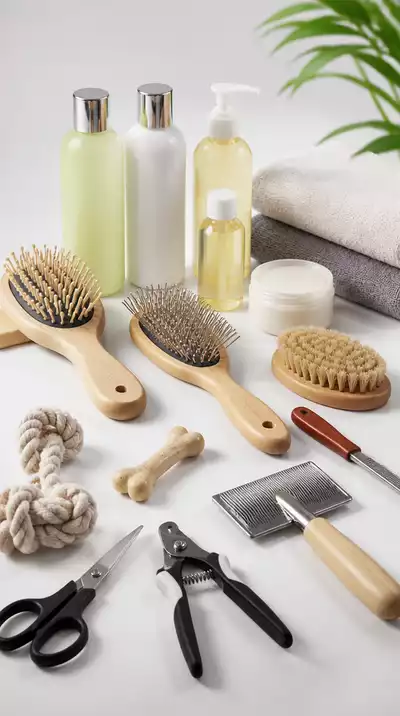
To help you further, here’s a list of essential tools categorized by coat type:
By choosing the right tools based on your dog’s coat, you'll ensure their grooming routine is efficient and effective!
Now that you have a better understanding of your dog's grooming needs, it's time to build your customized grooming kit! Start by gathering the essential tools needed for your dog’s specific coat type. At Canine Wash Wisdom, we recommend:
With the right kit, you'll feel more confident and prepared for grooming sessions. Remember, practice makes perfect, and over time, both you and your dog will look forward to this bonding experience! For a comprehensive guide, explore our article on creating an essential at-home dog grooming kit.
Being a part of a community can enrich your grooming experience. At Canine Wash Wisdom, we encourage dog owners to connect with others who share their passion for grooming. Engaging with fellow dog lovers will not only motivate you but also help you gain valuable insights and tips!
Whether you're a newbie or a seasoned groomer, there’s always something new to learn. Local grooming classes can provide hands-on experience, while online resources offer a wealth of knowledge at your fingertips.
Exploring these resources will help you hone your skills and increase your confidence!
Don’t underestimate the power of sharing your experiences! Connecting with other dog owners can provide a sense of community. You can share your challenges, successes, and even funny grooming stories!
Consider documenting your grooming journey on social media. It not only helps you keep track of your progress but also inspires others. You might even discover new techniques and tricks from your network of fellow pet owners!
DIY grooming can be a rewarding experience when done correctly. Learning how to groom your dog at home can save money and create a stronger bond between you and your pup. Before you start, here are a few tips:
With these considerations in mind, you'll be well on your way to becoming a skilled DIY groomer!
Here is a quick recap of the important points discussed in the article:
Clara H. Thompson is a passionate dog care advocate with over a decade of experience in pet grooming and hygiene. With a strong background in animal care and a love for dogs of all breeds, Clara dedicates her expertise to empowering fellow dog owners with practical tips and evidence-based guidance. Her mission is to promote the health and happiness of dogs through effective bathing and grooming routines.