Common Symptoms
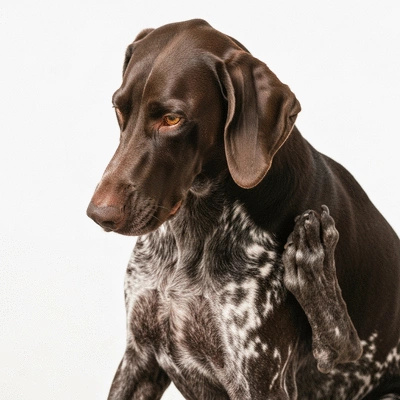
- Itching & Scratching
- Red/Inflamed Skin
- Excessive Licking
- Hot Spots
- Foul Odor
What if a simple change in your dog's routine could bring them relief from persistent itching and discomfort? Understanding dog skin allergies is crucial for every pet owner. By recognizing symptoms and identifying triggers, you can help your furry friend live a happier, healthier life.
Delve into the visual guide below to understand the common symptoms of dog skin allergies and the typical environmental and dietary triggers. This overview also highlights key treatment approaches, balancing prescription medications with natural remedies and long-term solutions, providing a holistic view of managing your dog's skin health. For more detailed information on treating skin issues, explore our guide on home remedies for dog skin issues.
Always consult your veterinarian for customized solutions and diagnosis.
As a devoted dog owner, it can be distressing to see your furry friend suffer from skin allergies. Understanding the symptoms and causes of these allergies is essential for effective management. At Canine Wash Wisdom, we aim to equip you with the knowledge needed to identify these issues early, ensuring your pup stays comfortable and healthy.
Skin allergies can manifest in various ways, and recognizing the signs is the first step toward helping your dog. Let’s dive into the common symptoms that may indicate your dog is experiencing a skin allergy.
Dog skin allergies can cause a range of uncomfortable symptoms. Here are some of the most common signs to watch for:
Once you recognize these symptoms, your next step is to identify the underlying causes, which can vary widely among dogs.
Allergies in dogs can stem from various sources, and understanding these triggers is crucial for effective treatment. Environmental allergens often include:
On the other hand, dietary triggers can also lead to skin reactions. Common food allergens include:
By keeping a detailed log of your dog’s reactions and what they’ve been exposed to, you can help identify specific allergens, paving the way for targeted solutions. For more insights on sensitive skin, check out our sensitive skin dog shampoos guide.
Allergic dermatitis is a prevalent skin condition in dogs that arises from exposure to allergens. This condition occurs when your dog's immune system mistakenly identifies harmless substances as threats, leading to an inflammatory response. Symptoms can often overlap with general skin allergy signs, making it vital to consult a vet for an accurate diagnosis.
Understanding allergic dermatitis can empower you as a dog owner. Familiarizing yourself with this condition can help you take proactive steps in managing your dog's health. Always remember, a collaborative approach with your veterinarian will yield the best outcome for your furry companion!
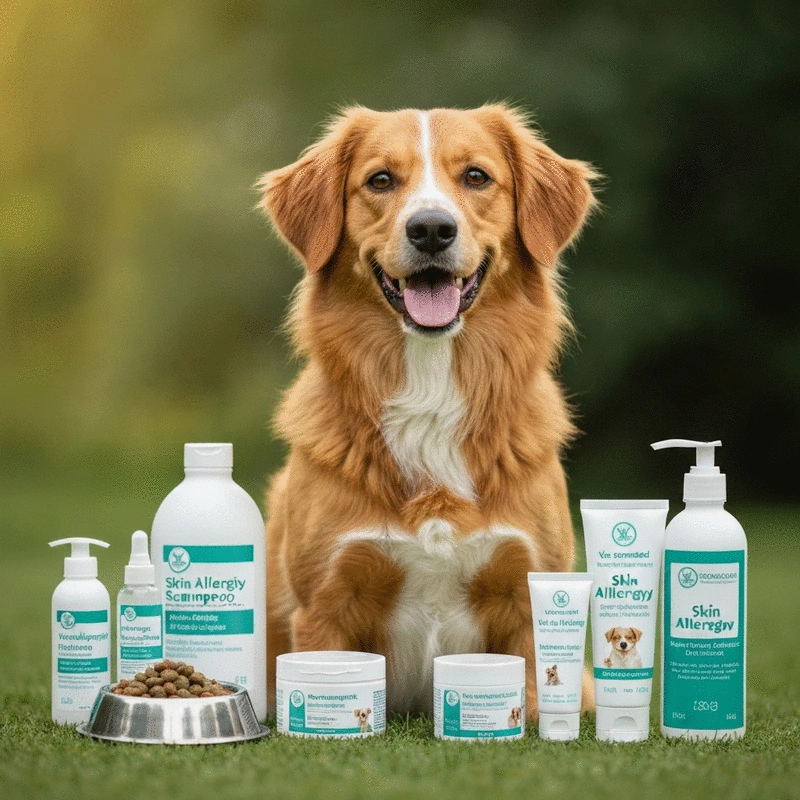
When managing your dog's skin allergies, consider integrating a regular bathing schedule with hypoallergenic shampoos. This can help remove allergens and soothe irritated skin, providing your pup with much-needed relief. Additionally, always follow up with a moisturizing conditioner to enhance skin hydration and barrier function.
When it comes to addressing your dog's skin allergies, finding the right balance between prescription and natural treatments is crucial. Each dog's needs are unique, which means that what works for one might not work for another. It's essential to consider a combination of approaches to achieve the best results. Here are some key points to keep in mind:
Combining prescribed medications like Apoquel or Cytopoint with natural remedies such as oatmeal shampoos or fish oil can enhance their effectiveness. This holistic approach not only brings relief but also promotes overall skin health.
Common symptoms include incessant itching and scratching, red or inflamed skin, excessive licking of certain areas, the appearance of hot spots, and sometimes a foul odor resulting from skin infections.
Dog skin allergies can be triggered by environmental factors such as pollen (from trees, grasses, weeds), dust mites, mold, and fleas. Dietary triggers often include common ingredients like beef, dairy, chicken, wheat, gluten, and eggs.
Allergic dermatitis is a common skin condition in dogs where their immune system overreacts to harmless substances (allergens), leading to inflammation and skin irritation. Its symptoms overlap with general skin allergy signs.
A balanced approach often involves using fast-acting prescription medications like Apoquel for immediate relief, complemented by natural remedies such as oatmeal shampoos for soothing irritated skin and Omega-3 supplements for maintaining skin health. Always consult your vet for guidance.
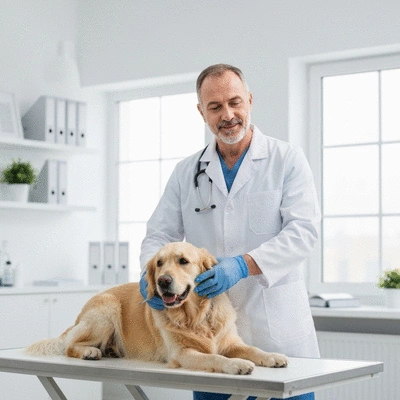
You should consult your veterinarian as soon as you notice persistent symptoms of skin allergies. They can provide an accurate diagnosis, tailor a personalized treatment plan, and offer guidance on monitoring your dog’s response to treatment.
Yes, long-term solutions can include immunotherapy, which desensitizes your dog to specific allergens over time, and regular allergy relief baths using specialized shampoos to soothe skin and remove allergens. Routine monitoring of your dog's progress is also crucial.
Striking the right balance between prescription medications and natural remedies can be a game changer for your dog's comfort. While prescription options like Apoquel can provide rapid relief from itching, natural treatments can help maintain long-term skin health.
By integrating both methods, you can create a more effective treatment plan tailored to your dog's specific needs. It's all about ensuring your furry friend is comfortable and happy!
Your veterinarian is your best ally when it comes to managing your dog's skin allergies. They can offer insights into the most effective treatment options based on your dog's health history and specific symptoms. Here are a few reasons why a consultation is essential:
At Canine Wash Wisdom, I always emphasize the importance of working closely with your vet. They can help you navigate the complexities of dog skin allergies, ensuring your pup gets the best care possible.
For some dogs, long-term solutions like immunotherapy can significantly improve their quality of life. This treatment gradually desensitizes your dog to specific allergens, leading to fewer symptoms over time. Additionally, periodic allergy relief baths can help soothe irritated skin and remove allergens that cling to the coat.
These methods, coupled with proper grooming routines, can help maintain your dog's skin health and reduce flare-ups. It's all about finding the right strategies to keep your furry friend feeling their best! For more information on effective bathing techniques, consider checking out our home dog bathing routine tips.
At Canine Wash Wisdom, we believe in the power of community! Sharing experiences and tips can be invaluable in navigating the challenges of dog skin allergies. Your stories might just inspire a fellow dog owner to try a new approach!
We invite you to join our vibrant community by asking questions or sharing your own success stories about managing dog skin allergies. Your experiences are an important part of the learning process!
Engagement is key! The more we share, the more we can learn from one another about keeping our dogs healthy and happy.
To further support you in your journey, we offer a wealth of resources at Canine Wash Wisdom. Our guides cover everything from grooming techniques to product recommendations tailored for dogs with skin allergies.
By exploring these resources, you can equip yourself with the knowledge and products needed to effectively manage your dog's skin allergies. Let's create a happier, healthier life for our furry companions together!
Here is a quick recap of the important points discussed in the article:
Clara H. Thompson is a passionate dog care advocate with over a decade of experience in pet grooming and hygiene. With a strong background in animal care and a love for dogs of all breeds, Clara dedicates her expertise to empowering fellow dog owners with practical tips and evidence-based guidance. Her mission is to promote the health and happiness of dogs through effective bathing and grooming routines.