Key Factors Influencing Bathing Frequency
Skin Type & SensitivityCoat Type & LengthActivity LevelEnvironmental Factors
Did you know that the frequency of bathing your dog can significantly impact their health and happiness? Understanding this simple yet crucial aspect of pet care can lead to a better grooming routine that keeps your furry friend comfortable and clean.
Understanding bathing frequencies for different dog types is crucial for their health and hygiene. This guide categorizes common recommendations based on coat, skin, and lifestyle factors. For more detailed advice on handling bath time, explore Bathing Dogs: A Simple Guide.
Short-haired Breeds:
Every 2-3 Months
Medium-haired Breeds (incl. Double-coated):
Every 1-3 Months
Long-haired Breeds:
Every 4-8 Weeks
Hairless Breeds:
Every 2-4 Weeks
Oily Breeds:
Every 1-2 Weeks
Sensitive Skin/Allergies:
Vet Recommended (often Hypoallergenic Shampoos)
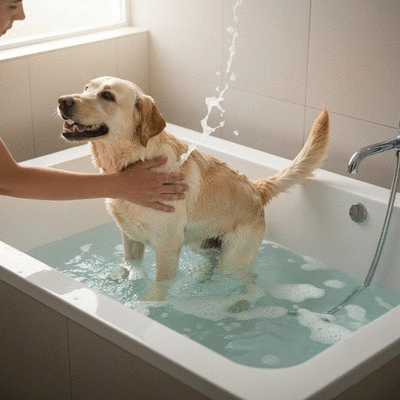
When it comes to caring for our furry friends, understanding how often to give your dog a bath is key to their health and happiness. Bathing frequency can vary based on several factors, including your dog's breed, lifestyle, and specific skin needs. Let’s explore why bathing frequency matters and how you can determine the right routine for your pup!
Keeping your dog's coat clean is essential for their overall health. Regular bathing can help remove dirt, allergens, and bacteria that can irritate their skin. Additionally, a proper bathing routine can prevent health issues like skin infections and odor. However, it’s important to strike the right balance; too much bathing can strip natural oils, leading to dryness and irritation.
So, how often should we bathe our dogs? Here’s a quick list of factors that influence bathing frequency:
By paying attention to these factors, you can establish a bathing routine that suits your dog’s unique needs!
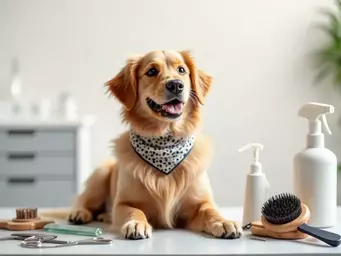
Your dog's coat type plays a significant role in how often they should be bathed. For instance, dogs with long, thick fur might require more frequent baths than those with short, smooth coats. The fur type not only affects cleanliness but also influences how easily dirt and oils accumulate. It’s crucial to understand these differences to ensure proper care. To further enhance your dog's grooming, consider selecting the right dog grooming brush for their specific coat type.
Here are some general guidelines based on coat types:
Adjust these recommendations based on your dog's activity level and environment, as they can significantly affect how often your dog may need a bath!
Just like humans, dogs can experience skin sensitivities and allergies that can affect their bathing needs. If you notice your dog scratching excessively, developing rashes, or showing signs of discomfort, it might be time to reevaluate their bathing schedule. At Canine Wash Wisdom, I always recommend consulting with your veterinarian if you suspect allergies or sensitivities.
Here are some signs that your dog may need special attention:
By being aware of these symptoms, you can adjust your grooming practices to keep your dog comfortable and healthy!
Did you know? Using a dog-specific conditioner after shampooing can help maintain your pup's coat health and hydration. It not only makes their fur softer but also reduces tangles, making grooming easier in between baths!
The ideal bathing frequency depends on several factors, including your dog's breed, coat type, activity level, and skin sensitivity. Short-haired breeds may only need baths every 2-3 months, while long-haired or oily breeds might require baths every 4-8 weeks or even every 1-2 weeks, respectively.
Key factors include your dog's skin type and sensitivity, coat type and length, activity level, and environmental factors (e.g., exposure to mud or dirt). These elements help determine the optimal bathing schedule to maintain their hygiene and skin health.
Yes, bathing your dog too frequently can strip their coat of natural oils, leading to dry, irritated skin and potentially increasing the risk of skin infections. It's important to find a balance that cleans your dog without over-drying their skin or coat.
Signs your dog may need special attention include frequent scratching or biting at their skin, red or inflamed patches, a persistent unusual odor despite bathing, or flaky/dry skin. If you observe these symptoms, consult your veterinarian.
If your dog has sensitive skin or allergies, it's crucial to consult your veterinarian for personalized advice. They may recommend specific hypoallergenic shampoos or a modified bathing schedule to avoid irritation and manage symptoms effectively.
As we've explored throughout this article, understanding the frequency of dog bathing is crucial for maintaining your pet's health. Let’s recap some key points on how often to bathe different breeds:
Remember, these are guidelines, and individual needs may vary based on your dog's lifestyle and health. Customizing your approach is vital for their well-being!
Establishing a regular grooming routine is important for every dog, no matter their breed. Regular baths not only clean your pup but also offer a great opportunity to check for any skin issues. Plus, grooming strengthens the bond between you and your furry friend!
As a dog care advocate, I often emphasize that consistency is key. The more routine you make grooming, the more comfortable your dog will become during baths! For further tips on creating a positive bath time experience, check out our guide on dog bathing mistakes to avoid.
Dog bathing can come with its challenges. Many pet owners encounter common problems, but with a little insight, these can be easily managed. Here are some frequent challenges and tips to tackle them:
By being proactive and understanding these challenges, you can make bath time a pleasant experience for both you and your dog!
Now that we’ve wrapped up our discussion on bathing frequency, let’s look at some actionable next steps you can take to ensure your dog remains clean and healthy!
Your veterinarian is a fantastic resource for tailored grooming advice. They can provide insights based on your dog’s breed, coat condition, and overall health. Don’t hesitate to ask questions during your next visit!
Take advantage of online resources and tools that help calculate bathing frequency based on your dog’s breed and lifestyle. These calculators can be a helpful starting point for creating a customized grooming schedule.
Lastly, remember that grooming extends beyond bathing! Regular dental care and ear cleaning are essential parts of your dog's hygiene. Incorporating these practices into your routine will help keep your pup's overall health in check, just as much as understanding breed-specific coat care.
Thank you for joining me on this journey of understanding dog bathing! At Canine Wash Wisdom, I’m dedicated to helping you foster a healthy and happy grooming routine for your beloved pets.
Here is a quick recap of the important points discussed in the article:
Clara H. Thompson is a passionate dog care advocate with over a decade of experience in pet grooming and hygiene. With a strong background in animal care and a love for dogs of all breeds, Clara dedicates her expertise to empowering fellow dog owners with practical tips and evidence-based guidance. Her mission is to promote the health and happiness of dogs through effective bathing and grooming routines.